Fungus Gnats vs Thrips in Potting Mix: How to Tell Them Apart Fast
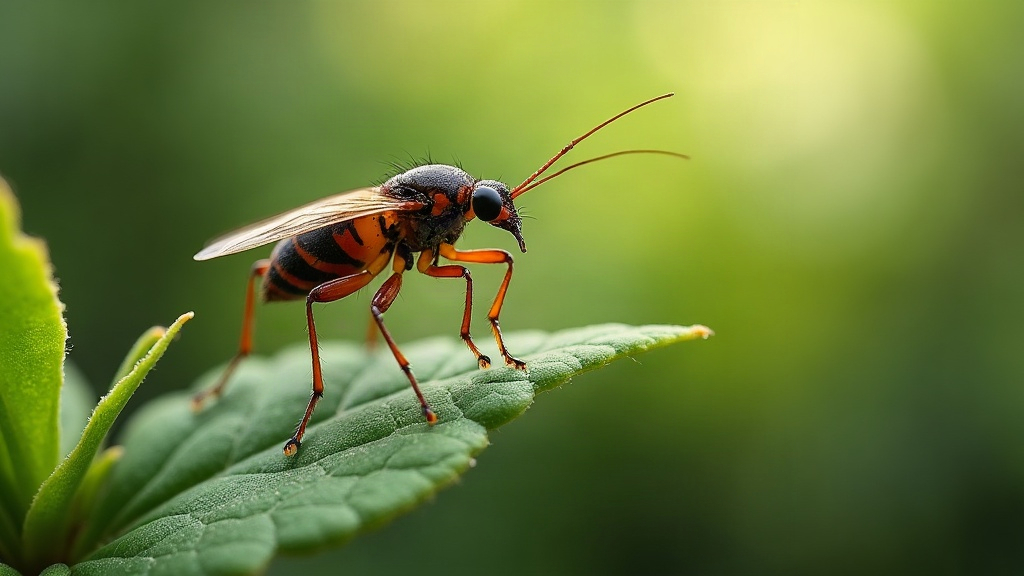
If you’ve spotted tiny bugs flitting around your potting mix or crawling across your leaves, you’re likely dealing with one of two culprits: fungus gnats or thrips. These are the two most common houseplant pests, and people mix them up constantly, which is a problem because the treatments are nothing alike. Fungus gnats are small, dark flies that live in damp soil and, for the most part, leave healthy plants alone. Thrips are a different story. They’re slender, quick-moving insects that feed directly on leaves and flowers, and they can leave permanent scarring behind. Figuring out which one you’ve got, early, is what keeps a minor annoyance from turning into a full infestation across your whole collection.
Why Identification Matters
Guessing wrong here costs you time and money. Letting soil dry out will do nothing for a thrips infestation, and spraying neem oil on your leaves won’t stop gnats from breeding in soggy soil three inches below the surface. While you’re treating the wrong pest, the actual problem keeps multiplying, often for weeks, completely unbothered.
Fungus Gnats: What to Look For
These are the bugs most people report first, mostly because you simply can’t miss them.
Appearance
- Small, dark gray or black flies, roughly 1/8 inch (3mm) long
- Long legs, a body shape that looks a bit like a miniature mosquito
- They fly erratically near the soil surface or buzz around nearby windows
- Larvae are translucent with black heads, sitting in the top inch of soil
Where You’ll Find Them
- Hovering over the pot right when you water
- Crawling across the soil surface
- Stuck to yellow sticky traps you’ve placed near the plant
Signs of Infestation
- A little cloud of flies lifts off when you disturb the soil
- Larvae turn up when you poke around in wet soil
- Almost no visible leaf damage, since adults don’t actually feed on plant tissue
Fungus gnats love consistently moist, organic-rich potting mix. If you’re seeing them, overwatering is almost always the root cause.
Thrips: What to Look For
Thrips don’t announce themselves the way gnats do. At first glance, you might miss them entirely. That’s exactly what makes them more dangerous.
Appearance
- Slender, elongated bodies, 1-2mm long (smaller than a gnat)
- Coloring ranges from yellow to tan to dark brown or black
- Fringed wings, though you’ll need magnification to actually see them
- Larvae are pale yellow and have no wings at all
Where You’ll Find Them
- Tucked inside unopened flower buds
- On the undersides of leaves, clustered along the veins
- Rarely in the air. When disturbed, they jump or scurry rather than fly
Signs of Infestation
- Silvery, streaky patches across the leaf surface
- Tiny black specks (that’s thrips excrement) dotting the leaves
- New growth coming in distorted, or flower petals looking discolored
- In advanced cases, leaves feel papery or stippled to the touch
Here’s the key difference: thrips actually damage the plant. They scrape at cells and suck out the contents, and that scarring is permanent. Fungus gnats, on a healthy plant, basically don’t.
Quick Side-by-Side Comparison
| Feature | Fungus Gnats | Thrips |
|---|---|---|
| Location | Soil surface, flying near pot | Leaves, buds, undersides |
| Movement | Weak, erratic fliers | Fast crawlers, occasional short flights |
| Damage | None to roots of healthy plants | Silvering, scarring, distorted growth |
| Cause | Overwatering, wet soil | Dry conditions, introduced via new plants |
| Larvae location | Top of soil | On leaf surface or in buds |
How to Confirm Before They Multiply
- Use yellow sticky traps. Both pests are drawn to yellow, but gnats tend to get caught mid-air while thrips show up more on traps placed right at leaf level.
- Tap a leaf over a sheet of white paper. Thrips drop off and you’ll see tiny specks moving around. Gnats generally won’t budge this way.
- Check soil moisture. Top inch constantly damp? That’s a strong sign you’re looking at gnats, not thrips.
- Inspect new growth and buds closely. Distortion or a silvery sheen points straight to thrips.
- Grab a 10x magnifying glass and check the leaf undersides. Up close, thrips’ fringed wings and narrow body are unmistakable.
Early Treatment Steps
For fungus gnats:
- Let the soil dry out between waterings, top 1-2 inches should feel dry to the touch
- Spread a thin layer of sand or diatomaceous earth over the soil surface
- Set out sticky traps to catch the adults and interrupt the breeding cycle
- Try a BTI (Bacillus thuringiensis israelensis) soil drench to target the larvae directly
For thrips:
- Isolate the plant right away, don’t let it sit near others
- Prune off and throw away any heavily damaged leaves or buds
- Spray insecticidal soap or neem oil across every leaf surface, undersides included
- Repeat every 5-7 days for at least three rounds, since new generations keep hatching
Conclusion
Fungus gnats and thrips both register as “little bugs” when you first notice them, but that’s where the similarity ends. They live in different spots, cause completely different kinds of damage, and respond to completely different fixes. Fungus gnats are really a watering problem in disguise, annoying, sure, but rarely a genuine threat to the plant itself. Thrips are the ones you need to worry about: they feed directly on leaf tissue, scar it permanently, and spread fast if you’ve got several plants sitting close together. Spend five minutes actually looking, check the soil, flip a few leaves, glance at the new growth, and you’ll know exactly what you’re up against, and exactly how to shut it down before it gets out of hand.