Why Your Peace Lily Droops on a Schedule (And What It Means)
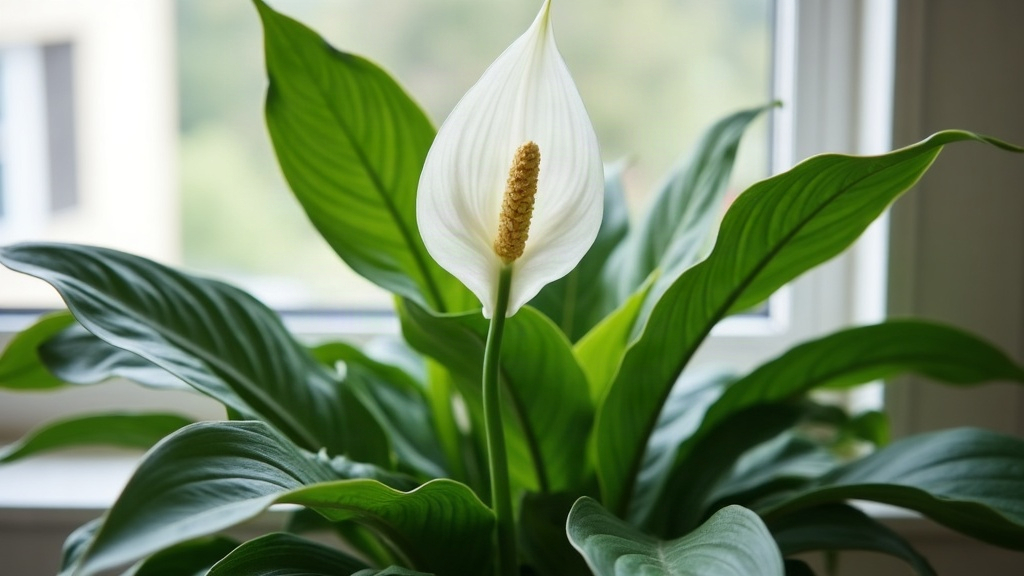
If your peace lily flops over dramatically every few days, then springs back up after a drink, that’s not random. It’s a pattern, and honestly, it’s one of the clearest signals this plant can give you. Peace lilies (Spathiphyllum) have a flair for theatrical wilting, and when it happens on a predictable cycle, it usually comes down to one of three things: watering too infrequently, a root system that’s busted out of its pot, or a change in light or heat exposure. Let’s break down how to read that schedule and fix what’s actually going on underneath it.
Why Peace Lilies Droop So Dramatically
Peace lilies have thin, broad leaves and roots that want consistently moist (never soggy) soil. Unlike a succulent that hoards water in its leaves for a rainy day, a peace lily basically has zero reserve tank. Once soil moisture dips below a certain point, the leaves lose turgor pressure almost instantly and collapse, sometimes within just a few hours. Oddly enough, this is a survival trick: by drooping, the plant shrinks its leaf surface exposed to light and air, which slows water loss just long enough for you to step in with the watering can.
That’s partly why peace lilies get nicknamed the “drama queens” of the houseplant world. They tell you exactly when they’re thirsty, no guesswork required, unlike plenty of other plants that suffer quietly for weeks before showing any sign of stress.
What a Droop “Schedule” Actually Tells You
1. It Droops Every 5-7 Days Like Clockwork
This is the pattern most people run into, and nine times out of ten it just means your watering interval is a touch too long for the pot size, soil mix, or season. The plant is burning through its available moisture on a timeline shaped by:
- Pot size relative to plant size
- Soil composition (peat-heavy mixes hold water longer than bark-amended ones)
- Ambient temperature and humidity in the room
Fix: Shorten the interval slightly, or better yet, ditch the calendar altogether and check soil moisture with your finger 2 inches down. Water when it’s dry at that depth, not a day before or after.
2. It Droops Faster and Faster Over Several Weeks
If the gap between droops keeps shrinking (seven days, then five, then three), your peace lily is probably root-bound. A root ball packed tight leaves almost no soil to hold water, so the plant dries out quicker each cycle even if you’re watering it the exact same amount.
Fix: Peek at the drainage holes for roots circling around or poking through, or check whether the plant’s pushing itself up out of the pot. If it’s root-bound, move it into a container 1-2 inches larger with fresh, well-draining mix.
3. It Droops at the Same Time of Day, Regardless of Watering
If the wilting always hits in the afternoon no matter how recently you watered, that’s heat or light stress talking, not thirst. Direct afternoon sun, or a spot too close to a heating vent, can cause temporary wilting even in perfectly moist soil, since the leaves lose water faster than the roots can resupply it.
Fix: Move the plant away from direct sun, vents, and radiators. Give it an hour once things cool down and it should bounce right back.
How to Break the Droop Cycle for Good
- Check moisture, not the calendar. Push a finger or a wooden skewer 2 inches into the soil before you water. A schedule is a guideline, not a rulebook.
- Use a pot with drainage holes. Peace lilies despise waterlogged roots just as much as they despise drought.
- Water thoroughly, not frequently. Soak it until water runs out the bottom, then let the top inch dry out before the next round.
- Watch the leaf tips. Brown, crispy edges paired with drooping usually mean underwatering combined with low humidity, or mineral buildup from tap water.
- Repot every 1-2 years. Fresh soil and extra root room keep that “shrinking cycle” of chronic root-bound stress from ever starting.
When Drooping Signals a Bigger Problem
If your peace lily droops even though the soil feels damp to the touch, don’t assume thirst, think root rot from overwatering instead. Slide the plant out of its pot and check the roots: mushy and dark brown means trouble, firm and pale means healthy. Trim away anything rotted, repot in fresh soil, and cut back on watering for a while.
Conclusion
A peace lily drooping on a schedule isn’t broken, it’s talking to you. A steady interval usually means your watering rhythm needs a small nudge. A shrinking interval points to a root-bound plant. And droops that hit the same time every afternoon are about heat or light, not thirst. Pay attention to the rhythm, trust your finger over the calendar, and you’ll end up with a plant that stays upright far more often than it flops.