Why Your ZZ Plant's Stems Are Splitting at the Base: Fixes
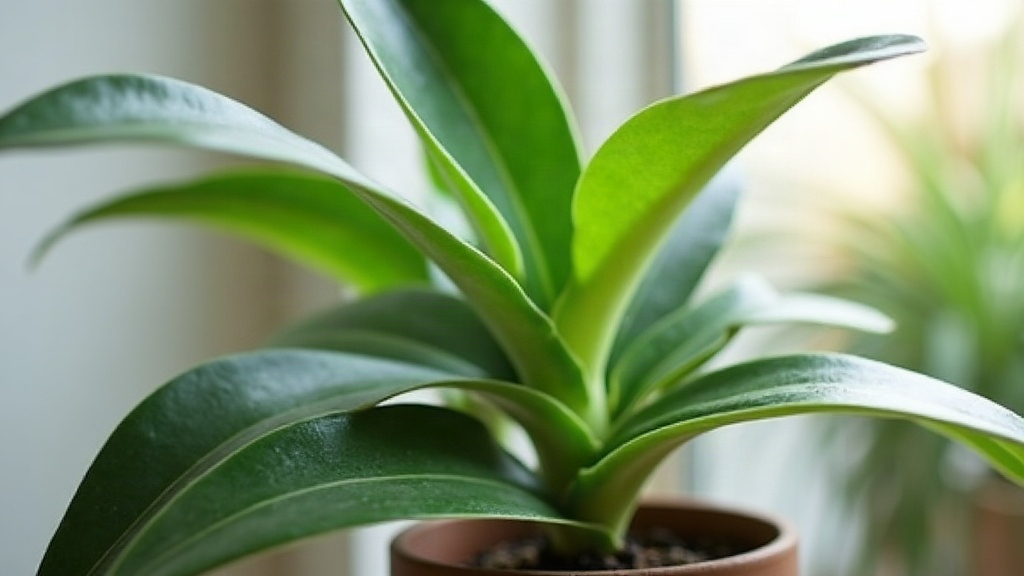
If your ZZ plant’s (Zamioculcas zamiifolia) stems are splitting or cracking right at the base near the soil line, there are three usual suspects: overwatering that leads to rhizome rot, physical pressure from crowded rhizomes, or a sudden swing in temperature or humidity. Here’s the reassuring part. This almost never kills the plant outright, and once you pin down the actual cause, most cases can be stopped in their tracks and even reversed.
What “Splitting at the Base” Actually Looks Like
A ZZ stem split usually shows one or more of these signs:
- A visible vertical crack or seam running up from the soil
- Soft, mushy, or discolored tissue right where the crack is
- A stem that feels spongy near the base but still firm higher up
- A slightly swollen or bulging spot just before the split appears
Not every split spells trouble, though. Sometimes it’s just the stem making room for a new shoot pushing up from the rhizome underneath, a perfectly normal growth response you’ll see more often in healthy, actively growing plants. So before you panic, check the tissue around the crack. Firm and green? That’s fine. Soft, brown, and smelling off? That’s a problem worth addressing.
The Real Causes
1. Overwatering and Rhizome Rot
ZZ plants store water in thick, potato-like rhizomes underground, which is exactly why they’re so drought-tolerant. But when soil stays soggy for too long, those rhizomes start to rot, and the rot can climb upward into the stem base. That’s when you see softening, splitting, and eventually the whole stem collapsing.
Signs to check: Pull the plant gently out of its pot. Black, mushy rhizomes with a sour smell mean rot has already set in.
2. Overcrowded Rhizomes (Natural Growth Pressure)
Give a ZZ plant a few years and it’ll develop multiple rhizomes, all expanding steadily inside the pot. Eventually that expansion has nowhere to go, so it pushes against the stems right at soil level. The result looks dramatic, but it’s purely mechanical pressure, not disease.
Signs to check: The plant still looks healthy overall, new leaves keep coming, and the pot feels packed tight (sometimes you can even see rhizomes peeking above the soil).
3. Cold Stress or Sudden Temperature Drops
These are tropical plants at heart, and they start struggling below 45°F (7°C). A cold draft from a window left cracked open, or an AC vent blowing directly on the pot, can damage cells at the stem base. Weakened tissue cracks more easily than healthy tissue.
4. Physical Damage
Knock the pot over, repot a little too roughly, or let a curious cat tip the plant off a shelf, and you’ll get mechanical splits. These tend to show up suddenly, with no yellowing or softness beforehand, so the cause is usually obvious in hindsight.
How to Fix It
Step 1: Unpot and Inspect the Rhizomes
Take the plant out of its pot and brush off the soil as gently as you can. Rinsing the rhizomes under lukewarm water helps you actually see what’s going on underneath.
Step 2: Cut Out Any Rot
Grab a sterilized knife or pair of scissors and remove anything black, mushy, or foul-smelling. Keep cutting until you reach clean, firm, white-green tissue, even if that means losing a surprising chunk of rhizome. Let the cuts air-dry for a few hours before putting the plant back in soil.
Step 3: Repot in Fresh, Well-Draining Soil
Mix regular potting soil with perlite, or use a succulent/cactus mix, roughly 50/50 either way. Pick a pot with drainage holes that’s only slightly bigger than the root mass; oversized pots just hold extra moisture the plant doesn’t need.
Step 4: Adjust Your Watering Routine
Wait until the top 2-3 inches of soil are completely dry before watering again. Depending on light and season, that often works out to once every 2-4 weeks. ZZ plants handle drought far better than they handle excess moisture, so when in doubt, wait a few extra days.
Step 5: Size Up the Pot If Crowding Is the Cause
No rot, just tight rhizomes outgrowing their container? Move up to a pot that’s 1-2 inches larger in diameter. That extra room takes the pressure off.
Step 6: Keep It Warm and Draft-Free
Try to keep temperatures above 60°F (15°C), and steer clear of cold windows, drafty doors, or AC vents blowing directly on the plant.
Can a Split Stem Be Saved?
Usually, yes. If the rhizome beneath the split still feels firm, the stem often keeps growing just fine, crack and all. ZZ plants are tougher than they look. But if the stem above the split starts yellowing or goes limp, it’s time to cut it off right at the rhizome. New growth typically pops up from that same spot within a few weeks, so don’t be too quick to give up on it.
Prevention Checklist
- Water sparingly, and always check soil moisture before reaching for the watering can
- Use pots with drainage holes; never let the plant sit in standing water
- Repot every 2-3 years so rhizomes don’t get overcrowded
- Keep the plant away from cold drafts and sudden temperature swings
- Handle it gently during moves or repotting; a little care goes a long way
Conclusion
A splitting stem at the base of a ZZ plant is almost always traceable to one of three things: too much water, natural rhizome growth pressure, or environmental stress. None of these are death sentences. Pull the plant, check the rhizomes, trim away any rot, dial in your watering, and give it room to grow. Do that, and your ZZ plant should not only stop splitting but come back stronger than before.