Snake Plant Turning Mushy at the Base? Causes & Fixes
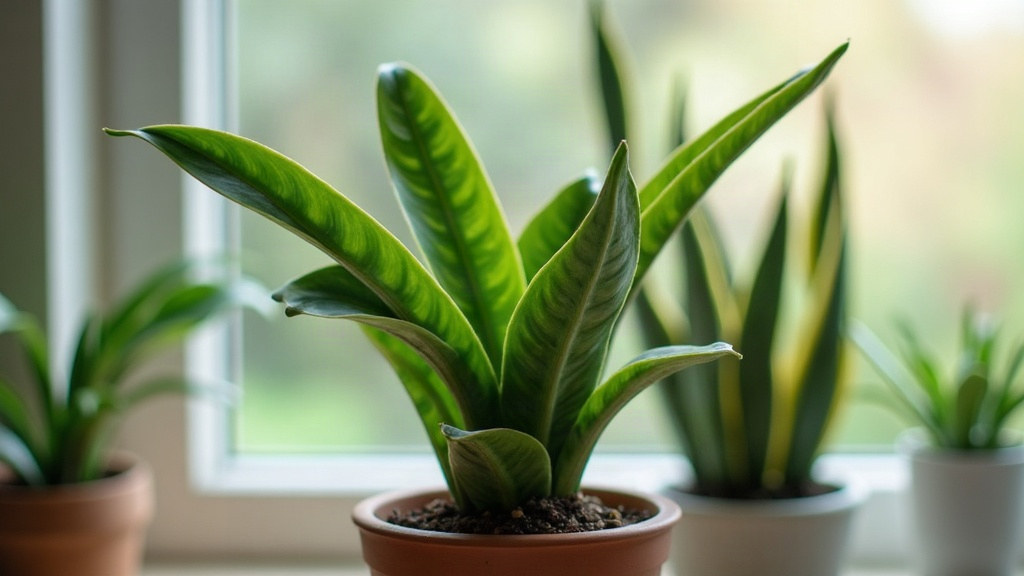
If your snake plant’s base has gone soft and mushy, root rot from overwatering is almost always the culprit, and it’s usually made worse by heavy soil that won’t drain, a pot with no drainage holes, or a cold spot near a drafty window. Here’s the reassuring part: snake plants (Dracaena trifasciata) are remarkably tough. Catch the problem early enough and you can usually rescue at least part of the plant by cutting away the rotten tissue and repropagating whatever healthy leaves remain.
Why Is the Base of My Snake Plant Mushy?
Snake plants are succulents that originally come from the arid stretches of West Africa. They store water in those thick, waxy leaves and can shrug off weeks of drought without complaint, but ask them to sit in wet soil for too long and they struggle fast. A soft, discolored, or squishy base is basically always a rot signal, and it tends to trace back to one of a few culprits.
1. Overwatering
This is by far the most common cause. Snake plants really only need water every 2 to 6 weeks, depending on how much light they get and what season it is. The mistake most people make is watering on autopilot, “every Sunday” for instance, instead of actually checking whether the soil has dried out first.
2. Poor Drainage
Even if you’re watering at the right frequency, a pot with no drainage holes, or soil that stays soggy (plain potting mix straight from the bag, with no perlite or sand mixed in), will trap moisture right against the roots and stem base. That’s an open invitation for fungal and bacterial rot to move in.
3. Cold Damage
Snake plants start to sulk below 50°F (10°C), and cold combined with wet soil is a particularly nasty combo. Cold temperatures slow down the plant’s ability to absorb and process moisture, so water just sits there in the pot while rot-causing organisms quietly multiply.
4. Fungal or Bacterial Infection
Organisms like Fusarium or Erwinia often sneak in through a small nick or scrape, or through tissue that’s already stressed from too much water. Once conditions are damp enough, they take off and decay accelerates quickly.
How to Tell If It’s Rot (and How Bad It Is)
Run through this checklist:
- Mushy, squishy, or discolored base (yellow, brown, or black where it should be firm green or white)
- A foul, sour, or rotten smell coming from the soil or the base of the plant
- Leaves that slide out with almost no resistance when you tug gently
- Yellowing that starts at the bottom and works its way up
- Soil that’s still wet and dark weeks after your last watering
If it’s just the very tip of one or two leaves, you’ve probably caught this in time. But if there’s a strong smell and several leaves are affected, the rot has likely reached the rhizome (the root mass), and that’s a more serious situation to deal with.
Step-by-Step: How to Save a Mushy Snake Plant
Step 1: Remove the Plant From Its Pot
Pull the plant out gently and knock off as much soil as you can, so you get a clear view of the roots and the base.
Step 2: Inspect and Cut Away Rot
Grab a clean, sharp knife or a pair of scissors and cut above the mushy section, working your way up until you hit firm, healthy flesh that’s white or pale green. Don’t be timid here. Any rotten tissue you leave behind will just keep spreading.
Step 3: Check the Rhizome
Take a look at the central rhizome, the thick horizontal root structure running through the base. If it’s still firm, the plant has a solid shot at recovery. If it’s turned into a mushy, hollow mess, that section is done for, but don’t panic: any healthy leaves still attached can be saved separately (more on that below).
Step 4: Let Cuttings Dry (Callus)
Set your healthy leaf cuttings or rhizome sections somewhere dry and shaded for 24 to 48 hours so the cut ends can callus over. Skip this step and you risk introducing a fresh infection the moment you replant.
Step 5: Repot in Fast-Draining Soil
A cactus or succulent mix works well, or mix your own: 2 parts potting soil, 1 part perlite, 1 part coarse sand. And this should go without saying, but use a pot with actual drainage holes.
Step 6: Propagate Healthy Leaves (Backup Plan)
Lost the original base entirely? Individual healthy leaves can still be rooted in water, or in slightly moist soil, and grown into completely new plants. Honestly, this is the easiest route to “saving” a snake plant that’s badly rotted, even if what you end up with isn’t technically the same plant anymore.
Step 7: Adjust Watering Going Forward
- Only water once the soil is bone dry at least 2 inches down
- Cut back watering noticeably in fall and winter
- Never let the pot sit in a saucer of standing water
Preventing Mushy Base Rot in the Future
- Stick to pots with drainage holes, no exceptions
- Use an actual succulent or cactus soil mix, not standard potting soil
- Water deeply, then leave it alone for a while
- Keep the plant somewhere above 55°F (13°C)
- Try to avoid splashing water directly onto the base or crown when you water
Conclusion
A mushy base is your snake plant’s way of telling you there’s too much water, poor drainage, or cold conditions at play, sometimes all three at once. Move fast: cut away the damaged tissue, let the cuttings callus, repot in something that actually drains, and rethink your watering routine. Even in the worst cases, a handful of healthy leaves is often enough to grow a whole new, thriving plant, so it’s rarely worth giving up on one this resilient.