Yellow Leaves on Pothos After Fertilizing: Nutrient Burn Guide
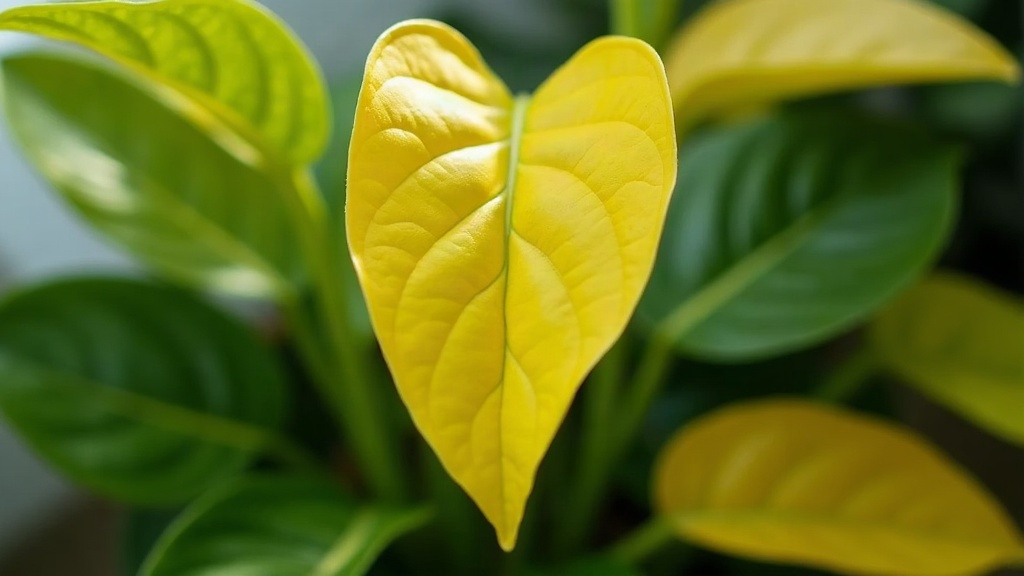
If your pothos turned yellow right after you fed it, nine times out of ten it’s nutrient burn: a pileup of excess salts in the soil that damages the roots and shows up as yellowing, browning tips, or edges that go crispy and brittle. The good news is that this is one of the easier pothos problems to reverse, provided you catch it early and rethink how you’re feeding the plant.
Why Fertilizing Causes Yellow Leaves
Pothos don’t ask for much. They’re famous for surviving neglect, and that includes going light on fertilizer. Feed one too often, mix it too strong, or dump it onto bone-dry soil, and salts pile up around the roots faster than the plant can actually use them. What happens next is basically osmosis working against you: those salts pull moisture out of the root cells, which is how you end up with “burned” roots. And once the roots are damaged, they stop moving water and nutrients properly, so the leaves start showing it:
- Yellowing that begins at the edges or tips and creeps inward
- Brown, crispy margins that look scorched rather than soft or mushy
- A rush of yellowing across several leaves within just a few days of feeding
- A white or crusty film of salt sitting on the soil surface or around the pot rim
Compare that to ordinary aging, where one lower leaf slowly turns yellow over several weeks. That’s just the plant shedding old growth. Nothing to fix there, it’s completely normal.
How to Tell Nutrient Burn Apart from Other Causes
Before you jump straight to “it’s the fertilizer,” rule out the usual suspects that mimic it:
Overwatering: the yellow leaves feel soft or mushy, the soil stays soggy for days on end, and sometimes there’s a sour smell or a cloud of gnats hanging around.
Underwatering: leaves droop and feel dry and crispy all over (not just at the tips), and the soil has shrunk away from the sides of the pot.
Low light: yellowing creeps in slowly, hits the older leaves first, and has nothing to do with when you last fed the plant.
Nutrient burn (the one we’re after): yellowing shows up anywhere from a few days to two weeks after feeding, usually starts at the tips or edges, and lines up with dry, salt-crusted soil.
Fixing Nutrient Burn on Pothos
1. Flush the Soil
Hands down, this is the fix that actually works. Carry the pot to a sink and run room-temperature water through the soil for 2-3 minutes, letting it drain completely before repeating. Do this 3-4 times total. It physically washes the excess salts out of the root zone. Just make sure the pot actually has drainage holes; if it doesn’t, this is a good moment to repot into one that does.
2. Stop Fertilizing Immediately
Give the plant a real break, 4-6 weeks minimum, no feeding at all. It’s tempting to keep going “just in case,” but feeding a stressed plant only piles on more damage.
3. Trim Damaged Leaves
Anything more than half yellow or crispy isn’t coming back. Cut it off with clean scissors. That way the plant stops wasting energy trying to keep dying tissue alive and puts it toward new growth instead.
4. Check the Soil and Repot if Needed
See a thick salt crust on top, or does the soil smell a bit off? Repot into a fresh, well-draining mix, ideally one with perlite in it for aeration. Give the roots a clean slate.
5. Resume a Gentler Feeding Schedule
Wait for new growth to show up (usually 3-4 weeks after you start the recovery process), then start feeding again at half the recommended strength, and only during active growing months (roughly spring through early fall).
Preventing Nutrient Burn Going Forward
- Dilute more than feels necessary. A quarter to half strength of a balanced liquid houseplant fertilizer (something like 20-20-20) is genuinely plenty for pothos. They don’t need full-strength doses.
- Feed monthly at the very most while the plant is actively growing, and skip it entirely once fall and winter roll around and growth slows to a crawl.
- Never fertilize soil that’s bone dry. Water first, wait, then apply the diluted fertilizer. This one step alone prevents concentrated salts from sitting right against the roots.
- Flush with plain water every 2-3 months, even if your feeding routine is spot-on. Salts build up gradually regardless.
- Consider slow-release fertilizer if you’re the type who forgets schedules (most of us are). It doles out nutrients gradually and is much harder to overdo.
When to Worry
A few yellow tips after a single feeding? That usually clears up on its own once you flush the soil and pause fertilizing for a while. But if the yellowing spreads fast, stems go mushy, or the plant wilts even though the soil’s moist, that’s a different story. Check for root rot as a secondary problem, since burned roots are far more vulnerable to fungal infection than healthy ones.
Conclusion
Yellow leaves showing up right after feeding almost always trace back to nutrient burn, either too much fertilizer or too strong a mix. Flush the soil, hold off on feeding for a while, snip away the damaged leaves, and go back to a diluted, less frequent schedule once things settle. Do that, and your pothos should be pushing out fresh, healthy growth again within a few weeks.