Calathea vs Maranta: Which Prayer Plant Forgives Beginners?
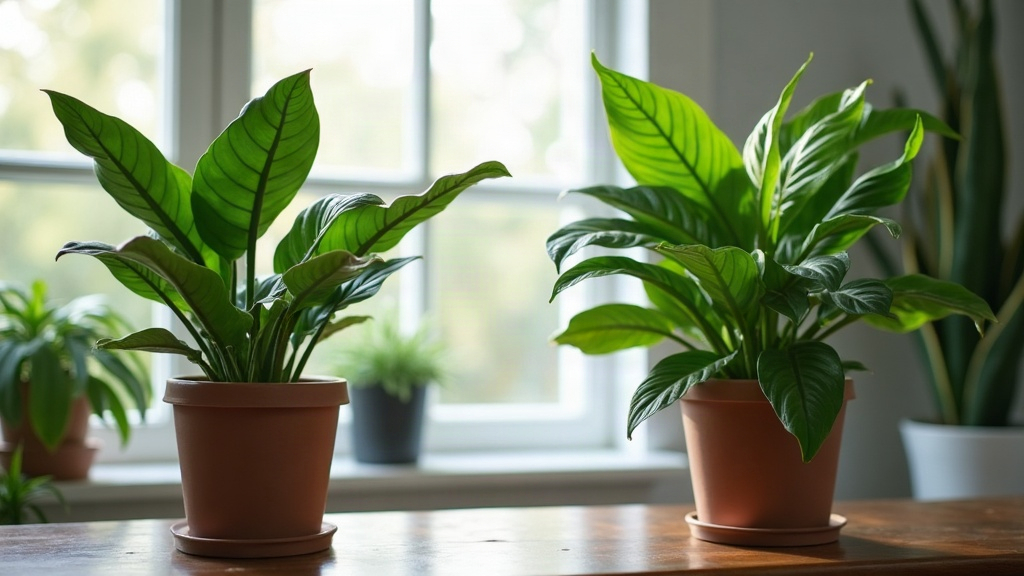
If you want a “prayer plant” that actually survives your life (missed waterings, dry winter air, the occasional forgotten misting) pick Maranta leuconeura (true prayer plant) over Calathea. Both fold their leaves at night, both have that same showy patterned look, but Maranta shrugs off small mistakes while Calathea sulks: crispy edges, curling leaves, and a sudden spider mite problem you didn’t see coming.
Why People Confuse Calathea and Maranta
Calathea and Maranta are cousins, both in the Marantaceae family, which is exactly why garden centers slap the same “prayer plant” tag on both pots. They do share real traits:
- Nyctinastic movement (leaves lift and fold at night, like hands folding in prayer)
- Bold foliage patterns in green, pink, and purple
- A love of indirect light and humid air
Genetically though, and especially in terms of how much abuse they’ll take, these two part ways fast once they leave the greenhouse and land on your windowsill.
Calathea: Beautiful but Demanding
Calathea (think Calathea orbifolia, Calathea medallion, Calathea makoyana) has earned a reputation among collectors as the diva of the houseplant world. The usual complaints:
- Crispy brown edges the moment humidity drops under 50%
- Curling leaves, and annoyingly, this happens whether you underwater or overwater
- Patterns fading in dim corners, leaves scorching in direct sun
- Touchy about tap water — fluoride and chlorine leave behind ugly leaf spots
- A magnet for spider mites, especially once the heater kicks on in winter and the air turns bone-dry
Calathea wants soil that’s consistently moist, never soggy, water that’s filtered or distilled, and humidity numbers most living rooms just don’t hit without a humidifier or a pebble tray parked under the pot. Skip one watering during a July heatwave and you can watch perfect leaves turn brittle in two or three days.
Maranta: The Resilient Alternative
Maranta leuconeura (Fishbone Prayer Plant, Red Prayer Plant, Lemon Lime) handles the same slip-ups with far less drama:
- Bounces back from wilting — leaves that look completely droopy in the morning can perk right back up a few hours after watering
- Fine with average household humidity, around 40%, without the leaf damage Calathea shows
- Not picky about water, tap water almost never leaves a mark
- Adjusts to light swings, holding onto most of its color even in medium or slightly dim spots
- Recovers quicker from pests like mealybugs, simply because it grows more vigorously to begin with
Maranta’s leaves are thinner and more flexible too, so a missed watering just means some wilting, not the cracking and browning you get with Calathea’s stiffer foliage.
Side-by-Side Comparison
| Factor | Calathea | Maranta |
|---|---|---|
| Humidity needs | High (50%+) | Moderate (40%+) |
| Watering tolerance | Low — punishes inconsistency | Higher — wilts and recovers |
| Tap water sensitivity | High | Low |
| Light flexibility | Narrow range | Wider range |
| Pest resistance | Prone to spider mites | More resilient |
| Beginner-friendliness | Low | Moderate-High |
Which One Should a Beginner Buy?
New to houseplants? Travel a lot and can’t stick to a strict watering calendar? Then Maranta leuconeura is the smarter first pick. Grab a Red Prayer Plant or a Fishbone variety, both are cheap and easy to find, so if you do kill one, you’re out maybe ten dollars, not a huge loss.
Save Calathea for later, once you’ve got a handle on:
- Actually reading soil moisture instead of guessing
- Running a humidifier, or at least clustering your plants together for shared humidity
- Watering with filtered, distilled, or rainwater instead of straight from the tap
Quick Care Tips for Beginners Starting With Maranta
- Water once the top inch of soil feels dry. Don’t make a habit of waiting for full wilting first.
- Keep it in bright, indirect light; direct sun will wash out that patterned foliage.
- Mist now and then, but don’t panic if humidity drops during heating season. Maranta tolerates it.
- Repot every 1-2 years into well-draining, peat-based soil.
- Leaves folding up at night? Totally normal, not a cry for help.
Conclusion
Both plants give you that same dramatic, animated foliage, but only one of them is actually forgiving enough for a beginner. Want something that survives a skipped watering, average room humidity, and plain tap water? Maranta leuconeura wins, easily. Once you’ve got your watering and humidity routine dialed in, that’s when Calathea makes sense, and it’ll reward the extra effort with the same prayer-plant charm, just with a bit more flair.