LECA vs Soil for Philodendron Birkin Root Health: Full Guide
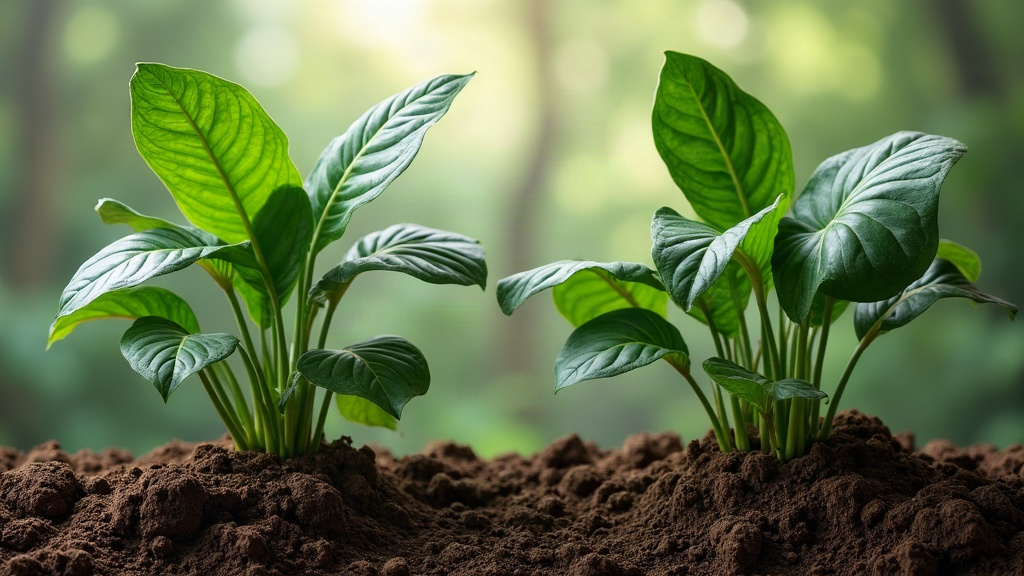
LECA or soil for your Philodendron Birkin? It really comes down to one thing: moisture control, and how well you can keep those roots breathing. LECA (Lightweight Expanded Clay Aggregate) gives you steadier access to oxygen and water, which makes it a strong pick if root rot has been your nemesis. Soil, on the other hand, feels more intuitive and forgives small mistakes, but it’s also where most overwatering disasters happen. Let’s dig into how each medium actually treats your plant’s roots so you can figure out what fits your habits.
Why Root Health Matters So Much for Philodendron Birkin
Birkin gets attention for those crisp white pinstripes running down each leaf, but anyone who’s grown one knows it’s fussy about water. The roots want a tight balance: enough moisture to stay hydrated, enough air to avoid suffocating. Tip the scale too far toward “wet,” and you get root rot within a couple of weeks. Too dry, and the leaf edges turn crispy and brown while growth stalls out. That’s why this LECA-versus-soil question carries more weight for Birkin than it would for something tougher, like a pothos that shrugs off almost any neglect.
How LECA Affects Birkin Roots
LECA consists of small, fired clay balls, essentially little pebbles with tiny air pockets baked into their structure. Used in a semi-hydroponic setup, with a reservoir of nutrient solution sitting at the bottom of the pot, it brings a handful of real advantages for root health:
- Constant oxygen flow: roots stay exposed to air instead of sitting in dense, waterlogged soil.
- Lower rot risk: the clay pebbles don’t trap water against the roots the way compacted soil does.
- Easier moisture monitoring: a clear LECA pot lets you literally see the water line, so there’s no more guessing whether it’s time to water.
- Cleaner roots: fungus gnats and soil fungus have a much harder time setting up shop in inorganic clay.
Here’s the catch, though. Moving an established, soil-grown Birkin over to LECA isn’t instant. The roots it already has were built for soil, and they need to grow new “water roots” suited to a semi-hydro environment. That transition can stress the plant for two to four weeks, sometimes with a droopy leaf or two along the way. You’ll also need to start feeding it a hydroponic-specific fertilizer, since LECA itself has zero nutritional value on its own.
How Soil Affects Birkin Roots
A well-draining aroid mix (potting soil blended with perlite, orchid bark, and a bit of charcoal) still does the job beautifully for most people, and here’s why:
- Buffering capacity: soil soaks up extra water and lets it go slowly, which gives you more wiggle room if you forget to water on schedule, or overdo it by a day.
- Natural microbiome: beneficial bacteria and mycorrhizal fungi living in the soil can actually help roots grow stronger.
- No conversion stress: if your Birkin arrived in soil, it’s already settled in. No awkward transplant shock from switching mediums.
The flip side? Overwatering is soil’s biggest Birkin-killer, full stop. Compacted dirt or a mix that drains poorly holds water right against the roots, creating the kind of oxygen-starved, soggy environment where rot pathogens throw a party.
Side-by-Side Comparison
| Factor | LECA | Soil |
|---|---|---|
| Root rot risk | Low (with proper setup) | Moderate to high if overwatered |
| Watering frequency | Less frequent, more predictable | More frequent, requires finger-test checks |
| Nutrient control | Full control via liquid fertilizer | Partially provided by soil, needs supplementing |
| Beginner-friendliness | Moderate (learning curve) | High |
| Pest resistance | Better (no fungus gnats) | Lower |
| Transition stress | High if converting from soil | None if already in soil |
Which Should You Choose?
- Go with LECA if: you know you tend to overwater, you like having precise control over moisture and nutrients, or you’ve already lost a plant (or two) to root rot in soil.
- Stick with soil if: you’re newer to plant care, you want something low-maintenance, or your Birkin is already thriving and you’d rather not risk a stressful medium swap just to try something new.
Tips for Success in Either Medium
- Check the roots now and then. Healthy Birkin roots look white to tan and feel firm. Dark, mushy roots mean rot, no matter what medium you’re using.
- Use a pot with proper drainage. Drainage holes are non-negotiable in soil. For LECA, go clear so you can actually watch the water level drop.
- Take your time with a LECA transition. Rinse the soil off the roots gently (don’t scrub), soak them briefly in diluted hydrogen peroxide to knock out lingering bacteria, then ease the plant into its new semi-hydro setup over a couple of weeks.
- Feed it properly. LECA plants need a steady drip of diluted liquid fertilizer, since the clay itself offers nothing nutritionally.
Conclusion
Both mediums can grow a happy, healthy Philodendron Birkin. It really comes down to your watering habits and how much of a learning curve you’re willing to take on. If root rot keeps showing up no matter what you try, LECA’s better airflow and moisture control are probably worth the hassle of switching. But if your plant is already settled and doing well in soil, don’t mess with success. Just keep the mix well-draining and stay mindful about watering, and you’ll be fine.