Hoya Carnosa vs Hoya Kerrii: Which Blooms Faster Indoors
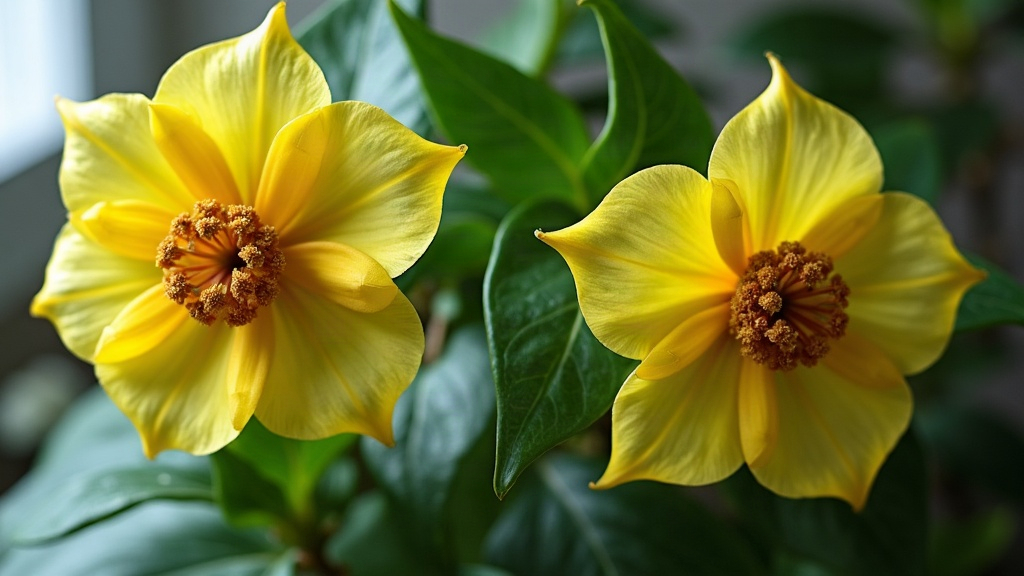
If you’re trying to figure out which blooms faster indoors, Hoya Carnosa vs Hoya Kerrii, here’s the blunt truth: Carnosa almost always wins, and it’s not close. Give it decent light and you’re looking at flowers within 2-3 years. Kerrii (the “sweetheart hoya” you see in little pots around Valentine’s Day) can take 5 to 15 years, sometimes longer, and a lot of the single-leaf cuttings sold in grocery stores never bloom at all. The gap comes down to growth habit, how mature the plant needs to be, and honestly, how it was propagated before it ever reached your windowsill.
Why Hoya Carnosa Blooms Faster
Carnosa is a vigorous trailing vine. It throws out long stems (peduncles) that keep producing flowers year after year once the plant hits maturity. A few reasons it gets there quickly:
- It vines aggressively. New nodes and stems pop up constantly, and each one is a potential flower spur.
- It just grows faster, period. More foliage, more stem length, more chances to hit blooming maturity sooner rather than later.
- Nurseries sell it as rooted vine cuttings. Most Carnosa you buy already has several nodes and a head start on maturity, so you’re not starting from zero.
- It tolerates average light. Bright indirect is enough for blooms. You don’t need to roast it in a south window all day.
Give it strong, consistent light, let the roots get a little snug in the pot, and feed it moderately (not constantly), and plenty of growers see their first blooms by year two or three.
Why Hoya Kerrii Is Slower to Flower
Kerrii’s whole marketing gimmick is the single heart-shaped leaf sold as a novelty gift. Cute, sure. But that’s also the root of the problem: most of those plants are single-leaf cuttings with no node, which means they’re biologically stuck. No node, no new growth, no flowers. Ever. That one leaf can sit there for years looking exactly the same.
If you actually want a Kerrii that blooms, you need:
- A cutting with at least one node (the little joint where a stem segment connects to the leaf), so it has the physical ability to vine.
- Patience. Years of patience. The vine needs to mature before flowering kicks in, often 5 to 10+ years indoors.
- Serious light. Several hours of direct or strong filtered sun daily, since Kerrii is naturally a sun-hungry, slow-growing succulent at heart.
And here’s the kicker: even a healthy, multi-leaf, vining Kerrii is still slower to bloom than Carnosa. Its thick, fleshy leaves are built to store energy, not to rush out new growth. Slow metabolism, slow payoff.
Side-by-Side Comparison
| Factor | Hoya Carnosa | Hoya Kerrii |
|---|---|---|
| Typical time to first bloom | 2-3 years | 5-15+ years |
| Growth rate | Fast, vining | Slow, especially single-leaf form |
| Light needs | Bright indirect to some direct | Bright, prefers more direct sun |
| Common form sold | Rooted vine cuttings | Often single leaf, no node |
| Ease of blooming indoors | High | Low to moderate |
Tips to Encourage Blooming in Either Plant
- Chase the light. Both species want several hours of bright light a day. An east- or south-facing window is usually your best bet.
- Stop moving the pot around. Hoya flower spurs get reused season after season. Shuffle the plant to a new spot and you might lose a season of blooms entirely.
- Let the roots crowd a little. A snug pot tends to push flowering faster than one that’s been freshly repotted into a huge container.
- Feed with a bloom-booster. Something higher in phosphorus and potassium, applied through spring and summer, nudges the plant toward flower production instead of just leaf growth.
- Keep it warm and a little humid. Both species like 65-80°F and moderate humidity. Nothing exotic, just steady, comfortable conditions that support healthy growth.
Which Should You Choose If You Want Flowers Sooner?
If flowers are the whole point, star-shaped, fragrant, the works, then Hoya Carnosa is the obvious pick. It’s forgiving of mistakes, grows fast, and under normal indoor conditions, it’s genuinely likely to bloom within a few years.
Kerrii makes more sense if you’re drawn to that sculptural heart-leaf look and don’t mind playing the long game. Just skip the single-leaf gift version if blooms are the goal. Look for a multi-leaf, vining cutting with visible nodes instead.
Conclusion
Carnosa blooms noticeably faster indoors, and that’s mostly down to its vigorous vining habit and the fact that it’s usually sold already rooted with multiple nodes. Kerrii can flower too, but only from a real vining cutting, and only after years of strong light and a fair amount of waiting around. Want quick results? Start with Carnosa. Want a slow, quietly satisfying project? Let Kerrii be your patient, heart-shaped houseplant companion.