Indoor Plant Lighting Guide for Beginners: Find the Right Light
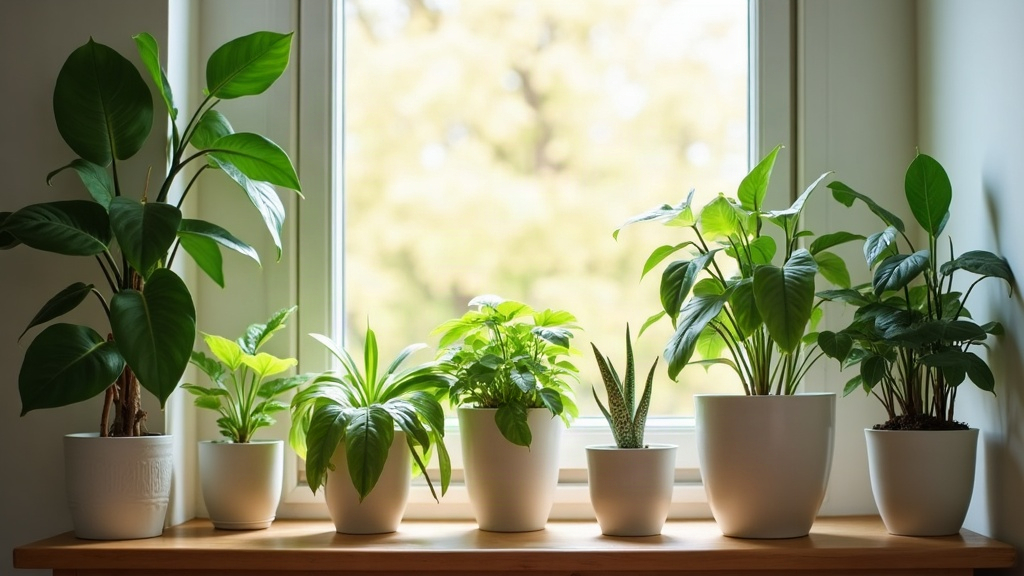
If your houseplants are reaching toward the window, shedding leaves, or seemingly refusing to grow, light is usually the real issue, not watering. This beginner-friendly indoor plant lighting guide explains how to assess the light in your home, choose plants that suit it, and bring in grow lights when daylight falls short.
Why Light Matters More Than Watering
Plants use light to produce food through photosynthesis. Without enough of it, they rely on stored energy for a while, then gradually weaken. At the other extreme, several hours of hot midday sun can leave thin leaves with scorched, papery patches.
When light is appropriate, many other care issues become easier to manage. A plant growing actively uses water more predictably, holds its color better, and is generally less appealing to pests. A pothos in a dim hallway, for example, may stay alive for months, but it will not behave like the same pothos placed near an east-facing window.
The Four Basic Light Levels
Rather than relying on labels alone, get familiar with the light conditions in each part of your home:
- Low light: No direct sun reaches the spot. This might be several feet from any window or beside a north-facing window. You can comfortably read there during the day, yet no clear beam of sunlight appears on the wall or floor.
- Medium/indirect light: The space feels bright, but sunlight does not land directly on the leaves. Think of a plant placed a few feet from an east- or west-facing window, or next to a south window covered with a sheer curtain.
- Bright indirect light: The plant sits close to a window with a wide view of the sky, but direct rays do not touch it. Many tropical houseplants thrive in this range.
- Direct sun: Unfiltered sunlight falls straight onto the leaves for part of the day. An unobstructed south- or west-facing windowsill often provides this level.
A Quick Test
Around midday, hold your hand roughly 12 inches above the soil where the plant normally sits. A crisp, sharply outlined shadow indicates bright or direct light. A soft-edged shadow suggests medium indirect light. If you can barely make out a shadow, the area is low light.
Matching Plants to Window Direction (Northern Hemisphere)
- North-facing: Provides gentle, steady low-to-medium light throughout the day. Pothos, snake plants, ZZ plants, and peace lilies are reliable choices here.
- East-facing: Receives milder morning sun. It works well for a broad range of houseplants, including monstera, calathea, and most ferns.
- South-facing: Usually the brightest option, often with several hours of direct light. Succulents, cacti, and citrus appreciate it. For thin-leaved tropical plants, a sheer curtain can prevent leaf burn.
- West-facing: Gets strong afternoon sun, which is typically hotter and harsher than morning light. Succulents and tougher plants can handle it, while sensitive foliage plants are safer a few feet back from the glass.
Signs Your Plant Has the Wrong Light
- Long, stretched stems with large gaps between leaves → the plant needs more light.
- Tiny new leaves, fading variegation, or a plant leaning dramatically toward the window → light levels are too low.
- Brown, crisp patches or bleached areas on leaves → direct sun is too intense.
- Washed-out, pale foliage → the species may be receiving more light than it can comfortably handle.
Make changes slowly. Moving a plant from a dim shelf directly into six hours of south-facing sun can shock it in just a day or two. Shift it closer to the brighter location over a week or so instead.
When to Use Grow Lights
A grow light is a practical answer if your home has small windows, only north-facing exposure, or rooms with no natural light at all. For a simple beginner setup:
- Choose a full-spectrum LED grow light, ideally rated between 4000K and 6500K.
- Place it 12–24 inches above the plant, adjusting for the power of the fixture.
- Keep it on for 10–14 hours daily using an inexpensive outlet timer. Plants benefit from a consistent routine, and you will not need to remember the switch every evening.
- Begin with one light over a small group of plants, then watch their growth. If stems remain leggy, lower the lamp slightly or increase the daily light period.
Grow lights are particularly helpful for seedlings, fruiting plants, and sun-loving varieties such as succulents or flowering orchids kept away from windows.
Simple Fixes That Make a Big Difference
- Rotate each plant a quarter turn every week or two. This prevents one-sided growth and keeps the shape more balanced.
- Wipe dusty leaves with a damp cloth. Even a visible film of dust reduces the amount of usable light reaching the leaf surface.
- Hang sheer curtains at harsh south- or west-facing windows instead of moving plants deep into the room.
- Place low-light-tolerant plants, such as pothos, snake plants, and ZZ plants, in darker corners. A sun-loving cactus will not become happy there simply because it is watered carefully.
Conclusion
Good indoor plant lighting does not require expensive equipment or a perfect sunroom. It starts with noticing the conditions you already have, then matching each plant to the right spot, or supplementing with a grow light where needed. Identify your window exposure, watch for changes in leaf color and growth, and make adjustments gradually. Once the lighting is right, watering, feeding, and healthy growth tend to feel far less complicated.