How to Increase Humidity for Indoor Tropical Plants (10 Real Fixes)
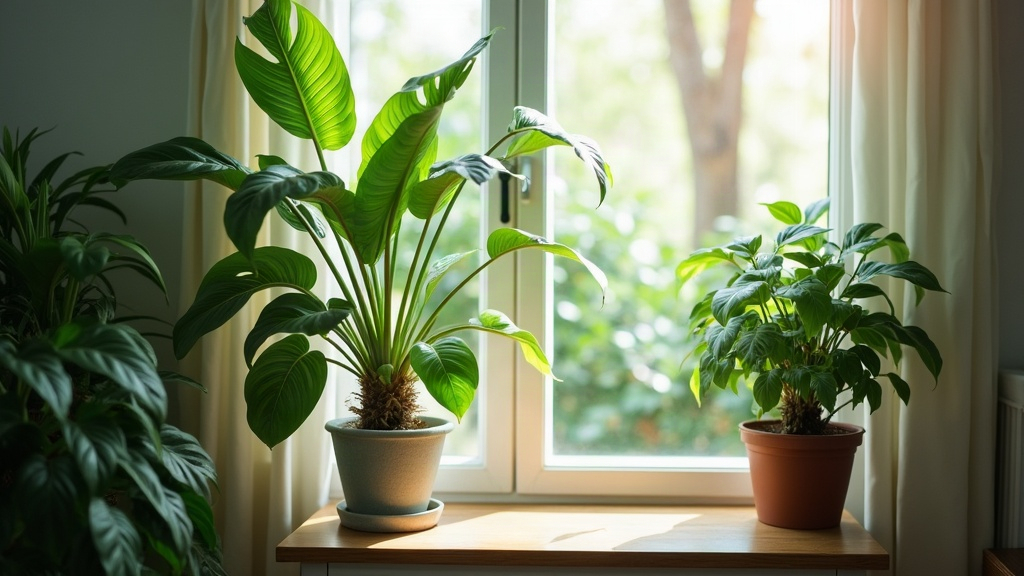
If your tropical houseplants have crispy brown tips, leaves that curl at the edges, or growth that’s just… stalled, low humidity is probably the reason. Think about where these plants actually come from. Calathea, Monstera, ferns, orchids: they all evolved in rainforests running at 60-80% humidity. Your living room? Probably sitting at 30-40%, and worse in winter once the heat kicks on. The good news is you don’t need to turn your house into a greenhouse to fix this. A few cheap, targeted tricks go a long way.
Why Humidity Matters for Tropical Plants
Plants lose water constantly through their leaves, a process called transpiration. In dry air, that water loss outpaces what the roots can pull back in, and the plant starts showing it:
- Brown, crispy leaf edges and tips
- Leaves curling or drooping like they’ve given up
- Slower growth, smaller new leaves than you’d expect
- More spider mite trouble, since these pests love dry conditions
Get humidity up into the 50-60% range and most of these symptoms fade on their own.
1. Group Plants Together
Here’s a neat trick nature already figured out: plants release moisture as they transpire, and when you cluster several together, they build a shared “microclimate” that’s noticeably more humid than any single plant sitting alone would be. So instead of scattering your ferns, calatheas, and prayer plants around different corners of the room, put them together on one shelf or windowsill. They’ll basically help each other out.
2. Use a Humidity Tray (Pebble Tray)
This one’s almost too simple. Grab a shallow tray, fill it with pebbles or gravel, pour in water until it sits just below the top of the stones, then set your pot on the pebbles. As the water evaporates, humidity rises right where your plant needs it. One important detail: the pot base needs to rest on the pebbles, not in the water itself, otherwise you’re just inviting root rot.
3. Run a Cool-Mist Humidifier
If you want something that actually works reliably, day after day, this is it. A small cool-mist humidifier tucked near a plant grouping can hold humidity at 55-65% without you lifting a finger. Try to find one with a built-in hygrometer so you can set a target and forget about it. For fussier plants like Calathea, Alocasia, and Maranta, this is often the difference between thriving and just surviving.
4. Mist Sparingly (and Know Its Limits)
Misting feels satisfying, but let’s be honest about what it does: it gives a quick spike in humidity that’s gone within minutes. It won’t fix a genuinely dry room. Use it as a small supplement if you like, not as your main strategy. And if you do mist, do it in the morning, not at night, so the foliage has time to dry out before evening. Wet leaves sitting overnight are basically an invitation for fungal problems.
5. Create a Terrarium or Enclosed Case
For the real divas of the plant world, Fittonia, moss, small ferns, a sealed glass terrarium or an enclosed cabinet (an old IKEA display case works great) can hold 70-90% humidity indefinitely. Honestly, this is about as close to rainforest conditions as you’ll get inside a house.
6. Move Plants to Naturally Humid Rooms
Bathrooms and kitchens already run more humid thanks to showers and boiling pots, so use that. As long as there’s decent light, a bathroom windowsill can be the best real estate in the house for a fern or an orchid.
7. Avoid Placing Plants Near Heat Sources
Radiators, heating vents, forced-air furnaces: all of them suck moisture out of the air fast. Keep your tropicals a few feet clear of any vent, and don’t let them sit in the direct path of hot or cold air blasting from an HVAC system.
8. Use a Hygrometer to Track Real Numbers
Stop guessing. A cheap digital hygrometer, $10 to $15, will tell you exactly what’s happening in the air around your plants. Most tropicals are fine above 50%, but the sensitive ones (Calathea, Alocasia, Nerve Plant) really want 60% or more.
9. Water Wisely to Support Root Health
Humidity helps, but it won’t cover for bad watering habits. Let the top inch of soil dry out between waterings for most tropicals, and use a well-draining mix so the roots aren’t sitting in soggy soil while the leaves are also stressed from dry air. You don’t want to fix one problem and create another.
10. Choose Humidity-Tolerant Plants for Tough Rooms
Some rooms just won’t hold humidity no matter what you do, a drafty home office, say. In that case, work with the room instead of against it. Pothos, Snake Plant, ZZ Plant, or Philodendron hederaceum all shrug off average home humidity in a way Calathea or Maranta never will.
Quick Humidity Checklist
- Aim for 50-60% for most tropicals, 60%+ for the humidity-lovers
- Combine grouping and pebble trays for a cheap baseline
- Add a humidifier if you want consistent, hands-off results
- Keep plants clear of heaters, vents, and drafts
- Check with a hygrometer instead of guessing
Conclusion
You really don’t need fancy equipment to fix this. Grouping plants, setting up a pebble tray, maybe adding a small humidifier: these small moves can turn crispy, stressed-out foliage into something lush and healthy again. Start cheap, track your numbers with a hygrometer, and only bring in a humidifier if your plants are still asking for more moisture. Get the humidity right, and your tropical collection will pay you back with fuller leaves and steadier growth right through the year.