Grow Lights for Winter: LED vs Fluorescent for Tropical Houseplants
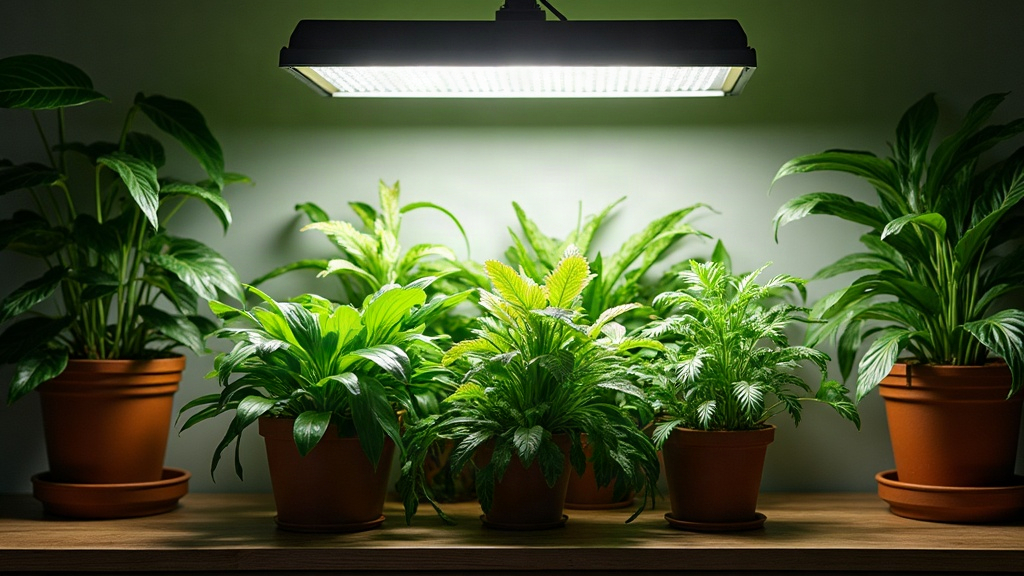
Winter is rough on tropical houseplants, and it’s not just your imagination. Shorter days, a weaker sun angle, and windows that filter out a surprising chunk of usable light all conspire against your Monstera, philodendron, or calathea. The fastest fix is a grow light. But the real question isn’t whether you need one, it’s LED vs fluorescent. Short answer: LED wins for most home growers these days, thanks to lower running costs, better spectrum control, less heat, and a much longer lifespan. Fluorescent tubes still earn their keep as a cheap, reliable option for budget setups or propagation stations.
Why Tropical Houseplants Struggle in Winter
Most popular houseplants (pothos, philodendrons, ferns, calathea, ficus) come from tropical understories where they get bright, indirect light almost year-round. Come winter, things change fast:
- Daylight hours drop by 3 to 6 hours depending on your latitude.
- The sun sits lower in the sky, so less light actually makes it into interior rooms.
- Windows, especially double-glazed ones, block a chunk of that already-reduced light intensity.
The result? Leggy growth, smaller new leaves, leaf drop, and a fading loss of variegation on plants that were vibrant just months ago. A grow light closes that gap immediately, no need to wait around for spring.
LED Grow Lights: The Modern Standard
Pros:
- Energy efficient. LEDs convert far more electricity into usable light, cutting power bills roughly 50 to 70% compared to fluorescent for the same brightness.
- Long lifespan. 25,000 to 50,000 hours means years of daily winter use before you ever think about a replacement.
- Low heat output. You can place these close to leaves without scorching anything, which matters a lot in a cramped apartment shelf setup.
- Full-spectrum options. Many panels mimic natural daylight (5000K to 6500K), supporting both leafy growth and the occasional bloom.
- Compact and flexible. Clip-on, panel, or bar styles slot neatly into shelves, terrariums, and plant stands without eating up space.
Cons:
- Higher upfront cost. A decent full-spectrum LED panel runs anywhere from $30 to $100 or more.
- Cheap LEDs can skew heavy on blue or purple, which looks a bit sci-fi in a living room rather than natural.
Fluorescent Grow Lights: The Budget Classic
Pros:
- Low upfront cost. A T5 or T8 shop light fixture can be had for under $20, sometimes less if you catch a sale.
- Even, broad light spread. Great for a tray of seedlings or a whole shelf of small plants that all need coverage.
- Simple to source. Replacement tubes sit on the shelf at pretty much any hardware store.
Cons:
- Less efficient. More electricity for the same output, which adds up over a long winter of daily use.
- Shorter lifespan. Typically 10,000 to 20,000 hours, and output fades gradually long before the tube actually dies, so you might not notice the dimming until your plants start suffering.
- More heat. Not dangerous, but noticeably warmer than LED when placed close to foliage.
- Bulkier fixtures. Tubes and ballasts hog more shelf space than a slim LED bar ever would.
Side-by-Side Comparison
| Factor | LED | Fluorescent |
|---|---|---|
| Energy cost | Lower | Higher |
| Lifespan | 25,000–50,000 hrs | 10,000–20,000 hrs |
| Heat output | Minimal | Moderate |
| Upfront price | Higher | Lower |
| Spectrum control | Excellent | Basic |
| Best for | Established tropical foliage, year-round use | Seed starting, propagation, tight budgets |
Which Should You Choose?
- Got more than 3 to 5 plants, or plan on running lights daily all winter? LED pays for itself in energy savings within one to two seasons. Do the math on your electric bill and it’s usually not close.
- Just supplementing light temporarily for a small propagation shelf or a few seed trays? A basic fluorescent fixture does the job fine, no need to overspend.
- Growing variegated or flowering tropicals like anthurium or hoya? Spend the extra money on a full-spectrum LED. The improvement in leaf color and bloom rate is genuinely noticeable, not just marketing talk.
Practical Setup Tips
- Position LEDs 6 to 12 inches above the foliage. Fluorescents need to sit closer, around 4 to 6 inches, since they’re dimmer per watt.
- Run lights 10 to 14 hours a day through winter to make up for the short daylight window. A cheap outlet timer takes the guesswork out of this.
- Rotate plants weekly for even growth. Light intensity falls off sharply the further away a leaf sits from the source, so the far edge of a shelf can lag behind badly.
- Watch the leaves for feedback: bleached or crispy edges mean too much light, while stretching and pale new growth mean too little.
Conclusion
For most tropical houseplant owners staring down a dark winter, LED grow lights are the smarter long-term investment. They’re efficient, run cool, and flexible enough to fit almost any room in the house. Fluorescent lights haven’t disappeared though, they’re still a solid, affordable entry point for propagation stations or short-term seasonal use. Whichever route you take, what actually keeps tropical foliage lush and colorful through the dark months is consistency: the same hours, the same intensity, day after day, until spring shows up on its own.