Beginner Mistakes When Choosing Pot Size for Fast-Growing Pothos
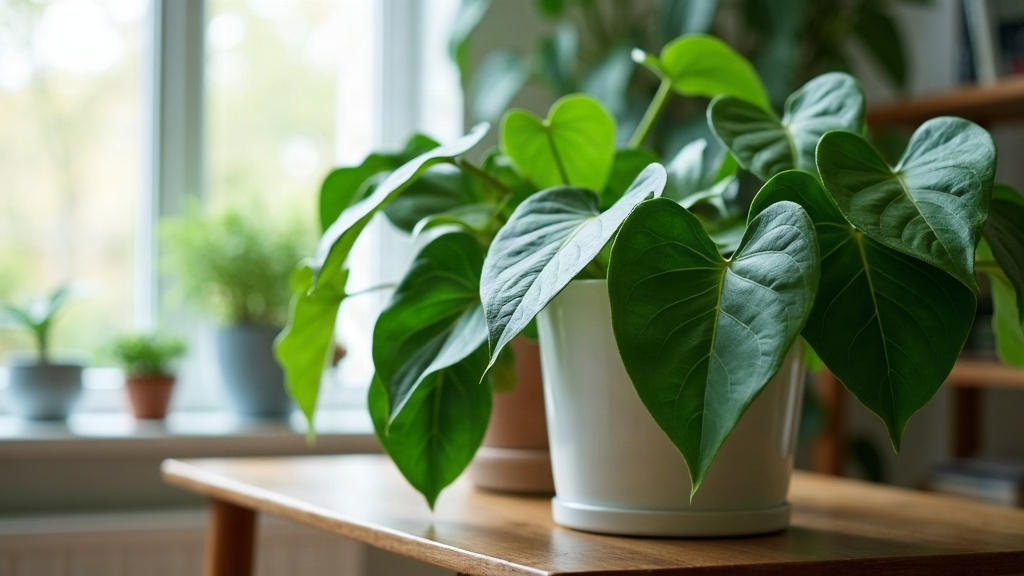
Choosing the wrong pot size is one of the most common reasons pothos plants stall, turn yellow, or rot at the roots. Because pothos grows so fast, beginners often assume a bigger pot means faster growth. In reality, it’s the opposite: oversized containers slow pothos down and invite root rot, while pots that are too small choke growth and dry out in a day flat. Once you understand how pothos roots actually behave, getting the size right is almost embarrassingly simple.
Why Pot Size Matters So Much for Pothos
Pothos (Epipremnum aureum) is a vigorous vining plant that actually does better when its roots are a little snug rather than floating in excess soil. Unlike plants that demand constant upsizing, pothos likes being slightly root-bound. It pushes out denser foliage and keeps those long, leggy vines in check.
Pot size directly affects three things:
- Soil moisture retention – more soil holds more water, and more water sitting around roots means a higher rot risk
- Root oxygen access – oversized pots let soil compact and suffocate the roots
- Growth rate – give pothos too much room and it spends its energy growing roots first, which delays new leaves
Mistake #1: Sizing Up Too Aggressively
The classic beginner move: yanking a pothos out of its 4-inch nursery pot and dropping it straight into a 10- or 12-inch planter “to save time.” That extra soil volume stays wet for days after the roots have taken what they need, and that’s a recipe for:
- Root rot
- Fungus gnats
- Yellowing lower leaves
- Stunted new growth
Rule of thumb: bump the diameter up by just 1–2 inches at a time. Pothos sitting in a 6-inch pot should go into a 7- or 8-inch one, not a 12-inch planter three sizes too big.
Mistake #2: Waiting Too Long to Repot
The opposite problem happens just as often. Plenty of beginners hold off repotting because they’re worried about “shocking” the plant. But a pothos left in a too-small pot for too long will tell you, loud and clear:
- Roots poking out of the drainage holes
- Water running straight through the pot without soaking in
- Soil bone-dry within a day or two of watering
- Roots visibly circling the pot when you lift the plant out
See two or more of these? Time to size up, even if the leaves on top still look perfectly green and happy.
Mistake #3: Ignoring Drainage Holes
Pot size isn’t only about diameter, it’s about drainage too. A perfectly sized pot with no drainage holes creates the exact same rot risk as a pot that’s way too big. Beginners fall for this one constantly: they pick a gorgeous decorative pot with no holes purely for looks, then can’t figure out why the plant is dying weeks later.
Fix: keep the plant in its plastic nursery pot (with drainage) and slip that inside the decorative cachepot. Or, if you’re set on the ceramic pot itself, drill holes into it with a masonry bit.
Mistake #4: Not Matching Pot Material to Watering Habits
The material of the pot changes how forgiving a given size actually is:
- Terracotta – breathable, dries out faster, more forgiving if you size up a bit early
- Plastic – holds moisture much longer, pairs best with smaller or fast-draining setups
- Ceramic/glazed – behaves a lot like plastic, moisture-wise, so sizing needs more care
If you know you’re an overwaterer (most of us are, honestly), a slightly smaller terracotta pot is a much safer bet than a large plastic one.
How to Choose the Right Pot Size: A Simple Checklist
- Measure the diameter of the current root ball.
- Pick a new pot that’s only 1–2 inches wider.
- Double-check it actually has drainage holes.
- Match the material to how often you tend to water.
- Repot in spring or summer, when pothos is growing hardest.
Quick Reference Table
| Plant Stage | Recommended Pot Size |
|---|---|
| Starter cutting | 2–4 inch pot |
| Young plant | 4–6 inch pot |
| Mature trailing plant | 6–10 inch pot |
| Large floor specimen | 10–12 inch pot |
Conclusion
Pothos rewards patience with pot size more than almost anything else you’ll do for it. Size up gradually, check for drainage every single time, and match the pot material to how you actually water (not how you wish you watered), and this fast-growing vine will stay healthy without the usual beginner traps of root rot or stalled growth. When you’re torn between two sizes, go smaller. Pothos has no trouble letting you know, through roots at the drainage holes and thirsty soil, exactly when it’s ready for more room.