Advanced Chlorophytum Division Techniques for Spider Plants
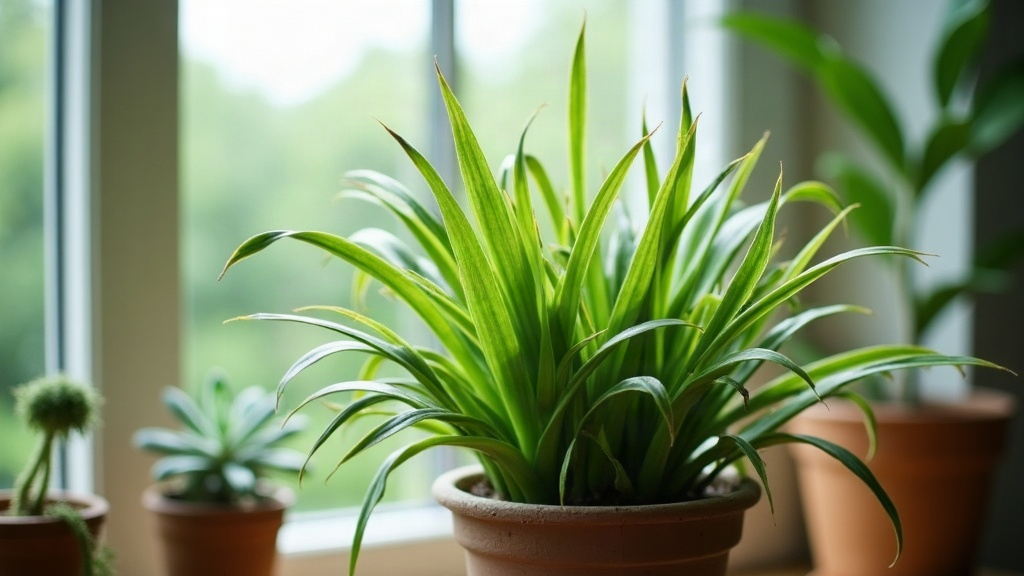
If you’re trying to grow your spider plant (Chlorophytum comosum) collection fast without losing plants along the way, division is where the real gains are. Most people just snip a baby off and drop it in water, and sure, that works, but it’s slow and the root systems that come out of it are often weak and stringy. Real division work means splitting the mother plant’s crown, dealing with the root tubers, and timing when you pull plantlets off the stolons. Do it right and you get stronger plants that establish faster with almost no transplant shock. Here’s how growers who actually know what they’re doing approach this.
Why Division Beats Simple Offset Cutting
“Snip the baby, root it in water” is the advice you’ll find everywhere, and it’s not wrong exactly, just incomplete. It gets you plants eventually, but the root systems tend to be thin and the process takes longer than it needs to. Division goes after the plant’s actual structure instead:
- Crown division separates the mother plant into multiple independent fans, each one already carrying its own roots and foliage.
- Tuber management takes advantage of Chlorophytum’s fleshy storage roots. Split them correctly and you generate entirely new growth points from tissue that would otherwise just sit there storing water.
- Plantlet staging means timing the removal of offsets to match peak root nub development on the stolons, those long runners that dangle off the mother plant producing babies.
Put these three together and you can pull 3-5 times more usable plants from a single mature specimen compared to just harvesting offsets one by one.
Step 1: Assess the Mother Plant’s Readiness
Not every spider plant is ready to be divided. Check for these signs first:
- Root-bound in its pot, meaning roots are visible through the drainage holes or circling along the surface
- At least 2-3 distinct crowns or clumps visible right at the soil line
- Multiple stolons with plantlets that are showing small white root nubs, not just leaves
One thing to avoid: don’t divide a plant that’s stressed, was just repotted, or is actively flowering. Give it 4-6 weeks to settle down first. Dividing an unstable plant is basically asking for failure.
Step 2: The Clean Crown Split Method
- Pull the plant from its pot and hose the soil off gently so you can actually see the root mass.
- Look for the natural separation points, spots where crowns share minimal root tissue.
- Grab a sterilized knife, not scissors (scissors crush tubers instead of cutting them cleanly), and cut straight down between crowns.
- Make sure each division keeps at least 4-5 healthy tuberous roots plus one active growth point.
Done this way, cell damage stays minimal and each division can start growing again within days instead of the weeks you’d wait with a sloppier cut.
Step 3: Tuber Splitting for Extra Yield
Even if a crown doesn’t show any obvious separation, those thick water-storing tubers can still be divided:
- Find a tuber cluster with two or more growth “eyes,” those small raised nodes you’ll notice once you’re looking for them.
- Cut between the eyes with a clean blade, leaving at least an inch of tuber tissue attached to each division.
- Dust the cut surfaces with cinnamon or a fungicide powder before replanting. Skip this and you’re inviting rot.
This step is where precision actually matters. Cut too close to an eye and you kill that growth point for good, so take your time here.
Step 4: Timing Plantlet Removal for Maximum Success
Plantlets attached to stolons establish best once you can see:
- At least 3-4 true leaves
- Visible root nubs, those small white or tan bumps right at the base
When you cut, leave 1-2 inches of stolon attached to the plantlet, then root it in moist perlite instead of plain water. Perlite pushes the plant toward a branching root structure rather than the single thin water roots you get from jar-rooting, and branching roots transplant into soil far more reliably.
Step 5: Post-Division Aftercare
- Pot each division in a fast-draining mix: standard potting soil plus about 30% perlite.
- Keep them in bright, indirect light for the first two weeks. No direct sun while they’re recovering.
- Water lightly until you see new growth. Overwatering fresh divisions is, by far, the number one cause of failure.
- Hold off on fertilizer for 4-6 weeks so the roots have time to actually establish.
Common Mistakes to Avoid
- Dividing too small: every division needs enough root mass to support itself. Tiny slivers almost always fail, no matter how carefully you treat them afterward.
- Using dull tools: a dull blade crushes tissue instead of slicing it, and crushed tissue is basically an invitation for rot. Keep your blade sharp and sterilized.
- Skipping the recovery period: fertilizing or repotting too early just adds stress right when the new division is most vulnerable.
Conclusion
Real Chlorophytum division is a lot more than snipping babies off runners. It’s about splitting crowns, tubers, and plantlets at exactly the right stage so you squeeze the maximum number of healthy, independent plants out of a single mother. Get the timing right, keep your tools sharp and clean, and give the aftercare the attention it deserves, and one overgrown spider plant can turn into a dozen thriving new ones before the season’s even over.