Advanced Bonsai-Style Pruning for Indoor Ficus Ginseng
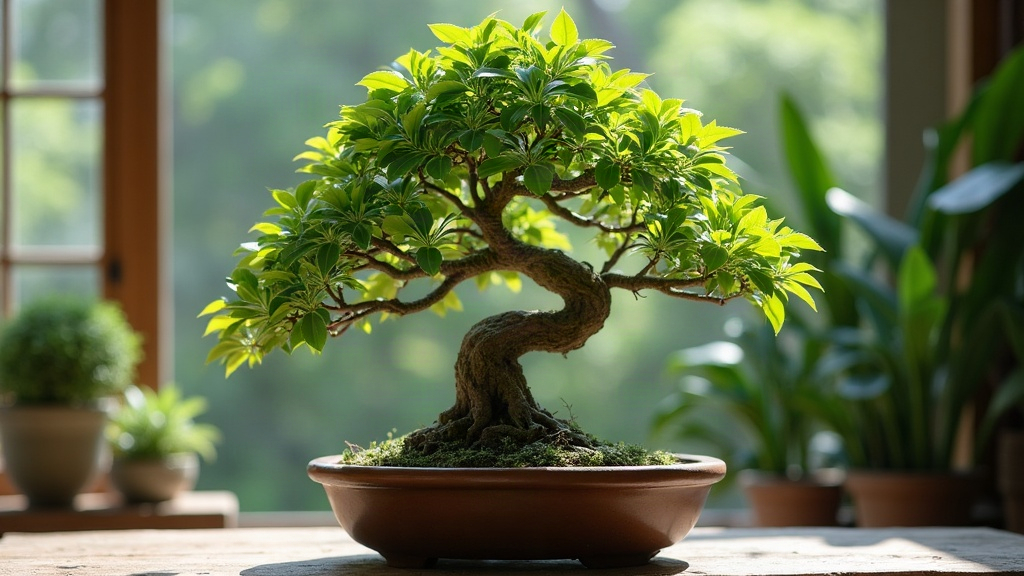
Advanced bonsai-style pruning for indoor Ficus Ginseng turns a plain potted plant into something closer to a living sculpture: defined branches, dense foliage pads, that gnarled, aged-tree look everyone wants but few actually achieve. This guide covers the timing professionals use, the actual techniques for shaping trunk and canopy, and the maintenance rhythm that keeps the plant healthy between the big cuts.
Why Ficus Ginseng Is Ideal for Bonsai Pruning
Ficus Ginseng (Ficus microcarpa) is about as forgiving as bonsai species get for people growing indoors. It shrugs off heavy pruning, backbuds reliably (new shoots pop out of old wood you thought was done), and bounces back fast thanks to a vigorous root system and that thick, swollen base it’s known for. Honestly, this is why it’s the species most people start experimenting on. You can push boundaries with it without worrying you’ll kill the thing.
Understanding the Two Types of Pruning
Before you pick up the shears, you need to separate two different jobs in your head: maintenance pruning and structural pruning. Mixing them up is how trees end up lopsided.
Maintenance Pruning (Pinching)
- Done year-round, whenever new shoots show up
- Once a shoot hits 4-6 leaves, pinch it back to 2-3
- Keeps the canopy tight and compact instead of sprawling
- Fingernails work fine, or small bonsai shears if you want precision
Structural Pruning (Hard Cuts)
- Once or twice a year, ideally late winter or early spring, right before the growth push kicks in
- This is where whole branches come off to redefine the silhouette
- Always sharp, sterilized concave cutters. A clean wound heals; a ragged one invites rot
Step-by-Step Advanced Shaping Technique
1. Study the Tree Before Cutting
Turn the pot. Look at it from four or five angles, not just the one you always see it from on the windowsill. Find the front (the side that looks best), the apex, and flag any branches that cross each other, overlap, or point back toward the trunk.
2. Remove Problem Branches First
Cut away:
- Crossing branches that mess with the silhouette
- Inward-growing shoots crowding the interior
- “Bar branches,” meaning two branches growing at the same height on opposite sides, like handlebars
- Anything thicker than a third of the trunk’s diameter at the point it emerges
3. Build Foliage Pads
Here’s the thing about advanced Ficus Ginseng styling: it’s not about one solid green blob. You want distinct foliage clouds, or pads, each reading as its own shape. To get there:
- Pick 3-5 well-placed branches and commit to them as your permanent pad structures
- Thin the interior growth on each one so light actually reaches the core, not just the surface
- Pinch the outer tips on a regular schedule so the pad stays dense and rounded at the edge instead of going leggy and thin
4. Wire for Direction (Optional but Powerful)
Aluminum bonsai wire, 1.5-2.5mm depending on how thick the branch is, lets you redirect angles that pinching alone can’t fix. Wrap at roughly 45 degrees, bend the branch into position, and check it every 4-6 weeks without fail. Ficus branches thicken fast, faster than most growers expect, and wire left too long will cut straight into the bark and scar it.
Aftercare Following a Hard Prune
- Hold off on fertilizer for 2-3 weeks after a big cut. The plant needs to spend its energy healing, not pushing new top growth.
- Keep humidity steady. A light misting routine goes a long way toward cutting down leaf drop after the stress of pruning.
- Give it bright, indirect light and don’t relocate the tree right after a prune. Moving it plus the pruning stress together is a near-guaranteed way to trigger a wave of leaf loss.
- Seal anything over 1cm with bonsai cut paste. It prevents dieback and speeds up callusing considerably.
Common Mistakes to Avoid
- Pinching too early and too obsessively: let the tree build a solid structure first, worry about density later.
- Flush cuts with no angle: an angled cut just above a leaf node heals faster and pushes new growth outward instead of inward.
- Forgetting the aerial roots: a lot of growers never train the exposed roots, which means skipping one of the signature features that makes Ficus Ginseng bonsai so distinctive. A little wiring here and there can guide those roots into dramatic, trunk-like shapes over a few seasons.
- Hard pruning during low-light winter stretches: indoor Ficus doesn’t go fully dormant, but growth does slow way down with shorter days. Save the serious structural cuts for when light and growth rate pick back up.
Conclusion
Advanced pruning is what separates an ordinary Ficus Ginseng from a genuinely refined bonsai, the kind with real character: branches with purpose, foliage pads that sit balanced against each other, a trunk that looks like it’s lived a hundred years even if it’s only five. The trick is patience. Pinch lightly and often, save the structural cuts for the right moment, and give the tree full recovery time between sessions instead of rushing the next round. Keep at it consistently, and your indoor Ficus Ginseng bonsai just keeps getting better, year after year.