Self-Watering Pots vs Traditional Pots for Forgetful Plant Owners
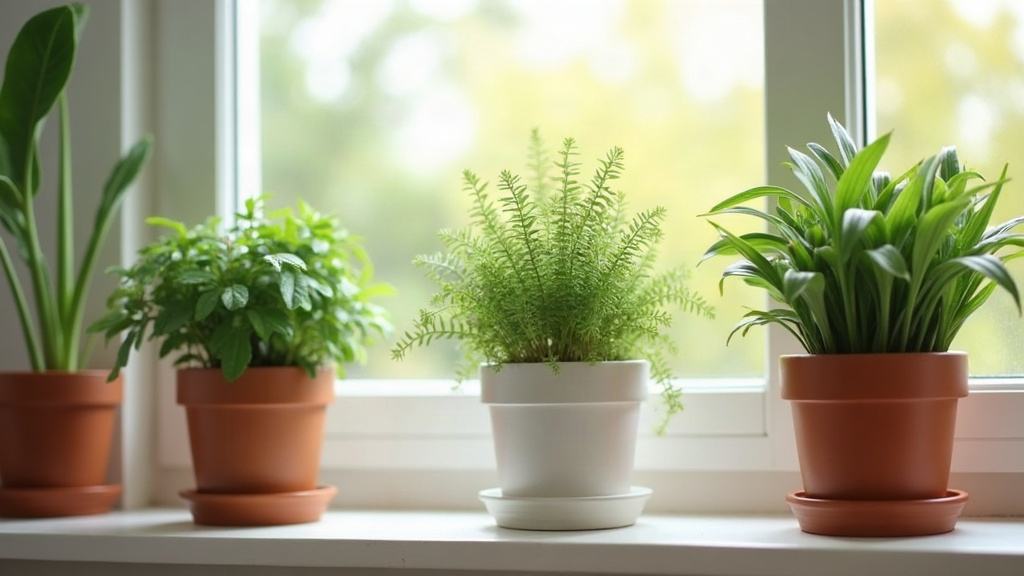
If you’ve ever walked in to find a fern looking like dried seaweed or a pothos with crispy brown edges, you already know what’s really going on. It’s not a black thumb. It’s forgetting to water on time, week after week. Self-watering pots fix this for most people, mostly because they carry a built-in reservoir that doles out moisture as the plant needs it instead of waiting for you. That said, regular pots still beat them in a handful of cases. Let’s break it down plant by plant.
How Each System Actually Works
Traditional pots depend entirely on you showing up. You pour water in from the top, it works its way through the soil and out the drainage holes (into a saucer, if you remembered to put one under there), and the plant pulls up what it needs until things dry out again. There’s no cushion built in. Skip a watering by a week and a lot of plants will start sulking, drooping, or dropping leaves.
Self-watering pots work differently. They hold a reservoir, usually tucked at the bottom, that’s kept separate from the soil by some kind of wicking mechanism, a rope, a fabric strip, a capillary tube, or a false bottom. The roots pull water up through capillary action on their own schedule. You’re no longer the one deciding how much to pour each time. Depending on the pot size, the plant, and how dry your home runs, a single reservoir fill can last anywhere from one to three weeks.
Why Self-Watering Pots Win for Forgetful Owners
- Built-in buffer time. A two-week reservoir means forgetting to water for a day, or honestly ten, usually won’t kill anything.
- Lower risk of underwatering stress. Water moves up gradually through the wick rather than flooding the soil all at once, which mimics how a lot of plants prefer to drink anyway.
- Overwatering risk drops too. The plant only takes what it actually needs, so you skip that classic mistake of dumping extra water out of guilt because the soil looked dry.
- Water-level indicators take the guesswork out. Planters like Lechuza Classico or Click and Grow models include a float gauge right on the pot, so you glance down, see the level, and refill when it’s time. No more poking a finger into the dirt to check.
- Travel-friendly. A two-week trip used to mean coming home to a crispy fiddle leaf fig. Now it doesn’t.
Where Traditional Pots Still Have the Edge
Self-watering isn’t a universal upgrade. Some plants, and some situations, genuinely do better in a regular pot:
- Succulents and cacti want their soil bone-dry between waterings. A reservoir that keeps moisture sitting there constantly is a fast track to root rot for these guys. Stick with a well-draining traditional pot.
- Cost. A plain terracotta or plastic pot runs $3 to $15. A decent self-watering pot is $20 to $60, and the premium brands, think Lechuza or Elho, can run past $80.
- Soil flexibility. With a traditional pot, you can mix whatever soil blend you want. Self-watering systems are pickier, they usually need a specific mix to keep the wick working right (too dense and it clogs or floods).
- Long-term neglect risk. Forget about that reservoir for a few months and the standing water can turn into a breeding ground for mold, fungus gnats, or anaerobic bacteria, none of which your roots will thank you for.
Best Plants for Self-Watering Pots
- Pothos, philodendron, and monstera (moisture-loving, forgiving root systems)
- Peace lilies (they wilt dramatically when thirsty but bounce back fast once watered)
- Herbs like basil and mint (they like steady, consistent moisture)
- Ferns (they hate drying out completely, even once)
Best Plants to Keep in Traditional Pots
- Succulents, cacti, and other drought-tolerant varieties
- Orchids (they need a chunky bark mix and good airflow, not standing water)
- Snake plants and ZZ plants (already nearly impossible to underwater, so a reservoir is overkill and invites rot)
A Hybrid Strategy That Works Well
A lot of experienced (and admittedly forgetful) plant owners don’t pick one system and stick with it everywhere. Instead they split the difference: tropicals that crave moisture go into self-watering pots by the windows, while succulents and orchids stay in terracotta or ceramic on a simple weekly reminder set on their phone. That way you get the low-maintenance payoff exactly where it counts, without risking rot on the plants that actually need to dry out between drinks.
Quick Buying Tips
- Look for a visible water-level indicator. Guessing is probably the single biggest reason self-watering pots fail.
- Match the reservoir size to the plant. A small 4-inch self-watering pot might only hold enough water for 3 to 5 days, which kind of defeats the purpose if you’re traveling often.
- Flush the reservoir with clean water every 1 to 2 months. Otherwise you’ll end up with salt buildup and algae sitting in there.
Conclusion
If you’re the type who forgets to water things, self-watering pots are the clear pick for moisture-loving houseplants. They cut the risk of both over- and underwatering and buy you days, sometimes weeks, of breathing room. Traditional pots still hold the edge for succulents, cacti, and orchids that genuinely need to dry out between waterings. The real skill isn’t picking a single system and using it for everything. It’s matching the pot to what each plant actually wants.