Monstera Deliciosa Care Guide for Beginners (2026)
🔎 Free tool: Not sure how often to water? Try our Houseplant Watering Calculator for a schedule tailored to your plant, light and pot.
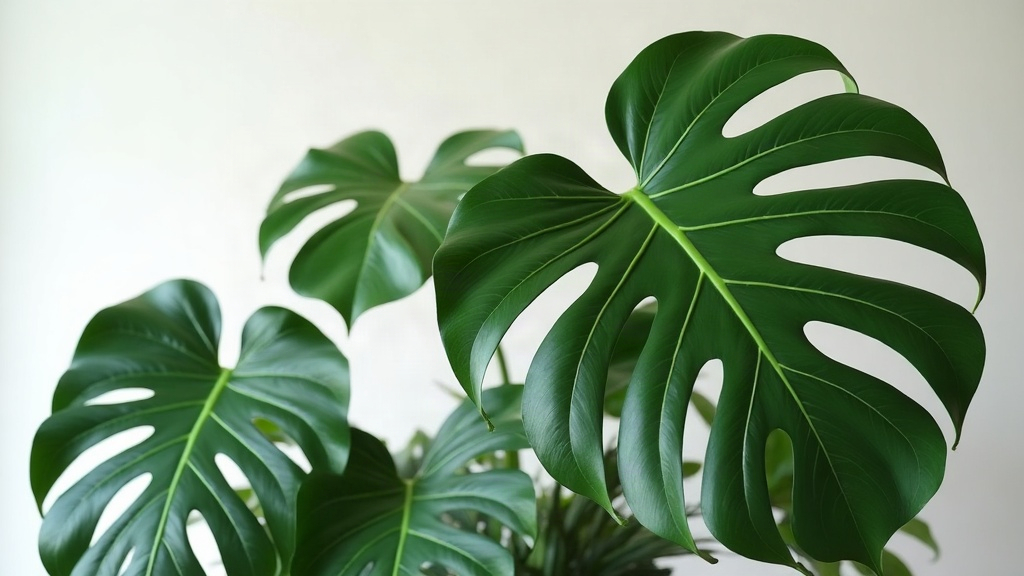
The Monstera deliciosa, better known as the Swiss cheese plant or simply the cheese plant, has earned its beginner-friendly reputation. Its bold, split leaves make a statement in almost any room, yet it is forgiving when care is not perfect. This guide covers everything you need for caring for a Monstera deliciosa, including light, watering, humidity, and feeding habits that help it grow well, along with practical ways to spot and correct common mistakes before they become bigger problems. Whether you searched for how to care for a Monstera, care for Monstera, or Swiss cheese plant care, the core steps below will get you there.
Why Monstera Deliciosa Is a Great Beginner Plant
Monstera deliciosa comes from the tropical forests of Central America. In nature, it climbs beneath taller trees, receiving filtered light rather than hours of harsh sun. That background explains why it adapts so comfortably to many homes: it handles a range of indoor light levels, does not require daily watering, and often recovers from small care slip-ups.
Those famous fenestrations, the holes and splits in the leaves, usually develop as the plant matures. Watching a new leaf open with its first proper splits is one of the more rewarding milestones for a new plant owner.
Light Requirements
Monstera deliciosa performs best in bright, indirect light. A location 3 to 6 feet from an east- or west-facing window is often a reliable choice.
- Too little light: New leaves remain smaller, fenestrations become less frequent, and growth can slow to a crawl.
- Too much direct sun: Strong midday or afternoon rays can leave pale, bleached-looking spots and crisp brown leaf edges.
- Low-light rooms: A Monstera may stay alive in dim conditions, but it will not grow with much vigor. A grow light can make a noticeable difference in a darker apartment or room.
Turn the pot about one-quarter every two weeks. This small habit helps prevent the plant from leaning hard toward the window.
Watering: How Often to Water Monstera
Overwatering causes more Monstera problems than underwatering. Rather than watering every Sunday because the calendar says so, use the soil as your guide.
- Wait until the top 2 inches (5 cm) of soil feel dry.
- Water deeply until it runs from the drainage holes.
- Empty the saucer or outer cachepot so the roots never sit in pooled water.
In many homes, this works out to watering every 7 to 10 days during active growth. A plant in a small terracotta pot near a sunny window may dry faster, while one in a large plastic pot may take longer. During winter, when growth slows and indoor light drops, watering may be needed only every 2 to 3 weeks.
Check with a finger before reaching for the watering can.
Signs of overwatering: yellow lower leaves, soft or mushy stems, and soil with a sour or swampy smell. Signs of underwatering: drooping or curled leaves that noticeably perk up after a thorough drink.
Soil and Potting
Monstera roots need air around them. Heavy, compact soil holds too much water and can suffocate the root system, especially in a pot that dries slowly. A chunky, well-draining aroid mix is a better fit:
- 40% high-quality potting soil
- 30% orchid bark
- 20% perlite
- 10% horticultural charcoal
Always use a pot with drainage holes. Move up one pot size only when roots are clearly circling the inside edge or emerging from the drainage holes, usually every 1 to 2 years. A pot that is much too large stays wet longer than the plant can handle, which raises the risk of root rot.
Humidity and Temperature
Monstera prefers humidity above 50%, though it usually copes reasonably well with standard household humidity of 30% to 40%. If leaf edges regularly turn brown in dry winter air, try one of these simple adjustments:
- Place the pot on a pebble tray with water below the pot base
- Group it near other plants
- Run a small humidifier nearby, especially during heating season
Keep temperatures between 65-85°F (18-29°C). Keep the plant away from cold drafts, air-conditioning vents, and winter windows that fall below 55°F (13°C). One chilly night against cold glass can be enough to stress a leaf.
Feeding Your Monstera
Use a balanced liquid houseplant fertilizer, such as 20-20-20, diluted to half strength once a month through spring and summer. This is when the plant is most likely to produce new leaves and longer stems.
Skip fertilizer in fall and winter. Growth naturally slows as light levels decline, and feeding a resting plant can leave fertilizer salts in the soil or burn delicate roots.
Supporting Climbing Growth
Outdoors, Monstera climbs tree trunks with its aerial roots. Indoors, providing support often encourages larger leaves and more dramatic fenestrations over time.
- A moss pole, misted regularly to imitate moist tree bark
- A trellis or sturdy wooden stake
As the stem lengthens, loosely secure it to the support with soft plant ties. Guide aerial roots toward the pole rather than cutting them off. They may eventually attach and help the plant climb.
Cleaning and Wiping the Leaves
Those large, glossy leaves collect dust quickly, and a dusty leaf photosynthesizes less efficiently. Wipe each leaf every few weeks with a soft, damp cloth, supporting it gently from underneath so it does not tear. Avoid leaf-shine sprays, which can clog the pores on the leaf surface over time; plain water is enough. This simple habit, often skipped by beginners, is part of proper Swiss cheese plant care and also gives you a chance to check the undersides for early signs of pests.
Common Beginner Mistakes to Avoid
- Watering on a fixed schedule rather than checking whether the soil has dried
- Using a pot without drainage, which leaves excess water trapped around the roots
- Putting it in direct afternoon sunlight, which can scorch foliage within a few hours
- Overlooking pests such as spider mites and mealybugs, inspect leaf undersides and wipe leaves monthly
- Tearing stems instead of pruning. Use clean, sharp shears and cut just above a node
Frequently Asked Questions
How do I care for a Monstera deliciosa? Give it bright, indirect light, water only when the top 2 inches of soil are dry, and pot it in a chunky, well-draining mix. Feed monthly with a diluted balanced fertilizer during spring and summer, and keep humidity above 30-40%.
How is caring for a cheese plant different from caring for other houseplants? It is not especially different, but the Swiss cheese plant benefits from occasional support like a moss pole and regular leaf wiping, since its large leaves collect dust fast and its aerial roots want something to climb.
Why is my Monstera not developing holes in its leaves (fenestrations)? Fenestrations usually appear once the plant matures and receives enough bright, indirect light. Young plants or those in low light often produce solid, unsplit leaves until conditions improve.
How often should I water a Swiss cheese plant? Most indoor Monsteras need water roughly every 7 to 10 days in the growing season and every 2 to 3 weeks in winter, but always check the soil with a finger first rather than following a fixed schedule.
Can Monstera deliciosa grow in low light? It can survive in low light, but growth will be slower, leaves smaller, and fenestrations less frequent. For steady, healthy growth, bright indirect light or a grow light is strongly recommended.
Is Monstera deliciosa toxic to pets? Yes. It contains calcium oxalate crystals that can irritate the mouth and digestive tract of cats and dogs if chewed, so keep it out of reach of curious pets.
Conclusion
Monstera deliciosa is one of the easier tropical houseplants to grow successfully when its core needs are met: bright indirect light, thorough but infrequent watering, airy soil, and moderate humidity. Pay attention to the soil and the leaves rather than following a rigid routine. With steady care, a young plant can begin producing its signature split leaves within a year or two, a clear sign that it has settled in and is growing up.