Grafted Cactus Care: Preventing Rootstock Rejection in Moon Cactus
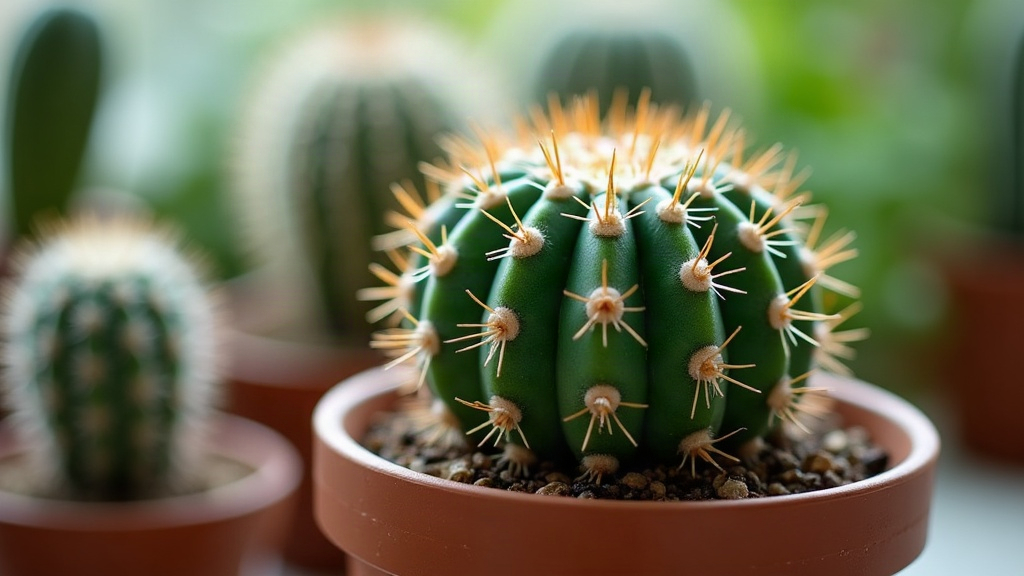
Moon Cactus (Gymnocalycium mihanovichii) is that chlorophyll-free, candy-colored cactus top you see everywhere: hot pink, orange, yellow, sitting on top of a green Hylocereus rootstock like a lollipop. Since the colorful part can’t photosynthesize at all, it’s completely dependent on that rootstock just to stay alive. And here’s the thing most people get wrong: the biggest killer of Moon Cactus isn’t neglect. It’s rootstock rejection, where the graft union fails and the top dies even though it looked perfectly fine a few days before. Let’s get into why this happens and what actually stops it.
Why Moon Cactus Needs a Graft
That bright “scion” sitting on top is essentially a mutant. It has no chlorophyll, so it can’t make its own food, period. Growers solve this by grafting it onto a tough, green rootstock (usually Hylocereus, sometimes Echinopsis) that handles photosynthesis and feeds the scion through the vascular connection. It’s a symbiotic setup, but a fragile one. Weaken that union even a little, and the colorful top loses its only source of food and water.
What Causes Rootstock Rejection?
Rejection rarely happens overnight. It’s usually a slow unraveling, with signs along the way:
- Overwatering – By far the most common cause. Hylocereus rootstocks rot fast at the graft point when soil stays damp, and once that rot hits the union, the connection is gone.
- Poor drainage – A dense, heavy mix holds moisture against the roots and speeds up decay.
- Low light – Not enough light and the rootstock can’t generate the energy it needs, so the graft starts starving.
- Old, worn-out rootstock – Hylocereus rootstocks typically have a 2-5 year lifespan before they naturally start declining, especially if they’ve never been allowed to grow freely.
- Cold or drafts – Anything below 50°F (10°C) stresses the rootstock and slows its metabolism down.
- Physical damage – A knock or crack at the graft union opens the door for pathogens.
Early Warning Signs to Watch For
Spot trouble before the top drops off:
- The rootstock near the graft line turns yellow, brown, or goes mushy.
- The colorful top looks shriveled, dull, or feels slightly loose when you touch it.
- There’s a sour, rotten smell coming from the soil line.
- Black or soft patches creep upward from the base.
Seeing any of these? Move within a day or two. Once rot takes hold, rejection can snowball fast.
How to Prevent Rootstock Rejection
1. Water Sparingly, Always From Below When Possible
Let the soil dry out completely between waterings. Remember, Moon Cactus rootstocks come from desert and epiphytic cacti built for long stretches without moisture. Bottom-watering (sit the pot in water for 10-15 minutes, then let it drain fully) keeps water well away from that fragile graft union.
2. Use a Fast-Draining Cactus Mix
Mix standard cactus soil with extra perlite or pumice, aim for roughly 40-50% mineral content. And the pot needs a drainage hole. No exceptions, ever.
3. Give Bright, Indirect Light
A spot near a south- or east-facing window works well. Strong, filtered light is what keeps the rootstock running at full strength. But watch out for harsh midday sun, it can scorch the colorful top, so throw a sheer curtain in front if things get too intense.
4. Keep It Warm
Stick to a range of 60-85°F (15-29°C). Skip the cold windowsill in winter, and keep the plant away from AC vents or that drafty spot by the front door.
5. Fertilize Lightly
A diluted cactus fertilizer at half-strength, once a month, spring and summer only. Push it harder than that and you’ll get fast, weak growth that puts real strain on the graft union.
6. Inspect the Graft Union Regularly
Make it a habit, really. Each time you water, take a quick look at where the colorful top meets the green base. Catching discoloration early is often the difference between a quick fix and losing the whole plant.
What to Do If Rejection Starts
Caught early rot? Pull the plant out of the soil, cut away any mushy tissue with a sterilized blade, and let the wound callous over for 3-5 days somewhere dry and shaded. If the rootstock is too far gone to save, you still have an option: re-graft the colorful top onto a fresh Hylocereus or Echinopsis cutting.
- Cut the healthy colorful top cleanly with a sterile knife.
- Let both cut surfaces callous for 1-2 days.
- Press the scion onto the flat-cut rootstock, lining up the vascular rings as closely as you can.
- Secure it gently with a rubber band or tape (not too tight) for 1-2 weeks while it fuses.
- Keep it in bright, indirect light, and hold off on watering for the first week.
Done promptly, re-grafting has a surprisingly high success rate. In fact, it’s often the only thing that saves a colorful top once its original rootstock has given out.
Conclusion
Moon Cactus is striking, low-fuss, and genuinely easy to love, but its biology leaves no room for a sloppy rootstock. Water sparingly, use soil that actually drains, give it bright indirect light, and check that graft union whenever you’re already there watering. Do that, and you sidestep the rot and decline behind most rejections. And if it does go wrong? Re-grafting gives that colorful top a real second chance on a fresh, healthy base.