String of Pearls Shriveling in Winter: Underwatering or Cold Shock?
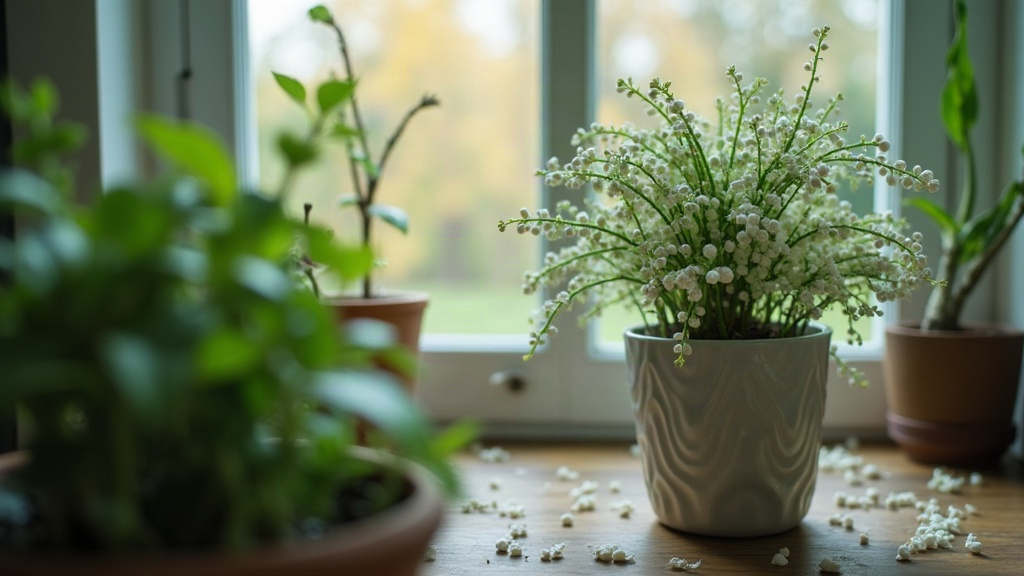
If your string of pearls (Senecio rowleyanus) looks deflated and wrinkly right now, you’re probably facing one of two things: underwatering or cold shock. Both leave you with those sad, raisin-like beads, but the fixes couldn’t be more different, and treating one problem like the other usually makes things worse. Here’s how to tell them apart and actually fix it.
Why String of Pearls Shrivels in Winter
Each little round “pearl” on this plant is basically a tiny water tank. When the plant gets stressed, it siphons moisture out of those beads to stay alive, and that’s when they go soft, wrinkled, and flat instead of round and plump. Winter tends to trigger this for a few reasons:
- Indoor heating pulls moisture out of the air and soil faster than you’d think
- Shorter days mean less light, which slows growth and throws off your usual watering rhythm
- Cold drafts near windows or doors can shock the plant’s tissue almost overnight
- A lot of people just forget about their succulents in winter, assuming “low maintenance” means “no maintenance”
The first step in diagnosing the issue is simple: look closely at the pearls themselves, then think about exactly where the pot is sitting in your home.
Signs It’s Underwatering
A thirsty string of pearls usually shows these patterns:
- Even shriveling across the whole plant, not concentrated on one side
- Beads that feel soft and wrinkled, but not mushy or discolored
- Soil that’s bone dry and has pulled away from the edges of the pot, likely untouched for 2-3 weeks or more
- Strands that feel surprisingly light and papery when you pick them up
- No black spots, no translucent patches, just plain dehydration
Fix: Water it thoroughly, enough that liquid actually drips from the drainage holes, then wait until the top 2 inches of soil are completely dry before watering again. In winter this often stretches to every 2-3 weeks rather than the weekly schedule you might use in summer. If dehydration really is the issue, you should see the pearls start plumping up again within 24-48 hours.
Signs It’s Cold Shock
Cold damage tells a different story:
- Shriveling on just one side of the plant, typically whichever side faces a window, door, or air vent
- Beads turning translucent, grayish, or mushy, not just wrinkled
- Blackened or darkened patches showing up on stems or individual pearls
- A sudden change after one cold night, a draft, or a temperature dip below 50°F (10°C)
- Soil that’s perfectly moist, which rules out thirst as the cause
Fix: Get the plant away from cold glass, drafty doorways, or unheated rooms right away, no delay. Snip off any blackened or mushy parts with clean scissors so rot doesn’t spread further. Then settle it somewhere with stable temperatures, ideally 65-75°F (18-24°C), and hold off on watering until you’re confident the damage has stopped. Watering a cold-stressed plant too soon is basically an invitation for root rot.
Quick Comparison Table
| Symptom | Underwatering | Cold Shock |
|---|---|---|
| Shrivel pattern | Even, all over | One-sided, near cold source |
| Texture | Soft, wrinkled | Mushy or translucent |
| Color | Normal green, just shrunken | Gray, black, or clear patches |
| Soil condition | Bone dry | Often still moist |
| Recovery time | 1-2 days after watering | Weeks, only if damage is minor |
How to Prevent Both This Winter
- Keep the plant at least 6-12 inches away from cold windowpanes
- Check with a moisture meter or just stick your finger in the soil before watering, don’t rely on a fixed schedule
- Cut back on watering frequency as light drops and growth slows, but don’t stop completely
- Steer clear of drafty spots near exterior doors, especially at night
- Give it bright, indirect light so it has what it needs to keep ticking along through winter
Conclusion
Once you know what to look for, a shriveled string of pearls stops being a mystery. Even, all-over wrinkling with dry soil points straight to thirst. One-sided mushiness or discoloration points to cold damage. Get the diagnosis right before doing anything: watering a plant that’s already cold-shocked can trigger rot, and moving a thirsty plant to a warmer spot won’t do a thing for dehydration. Respond the right way, though, and most string of pearls plants bounce back within days or a couple of weeks, ready to put out fresh growth once spring light rolls back in.