Spotting Spider Mites Before They Spread: Early Signs on Peace Lilies
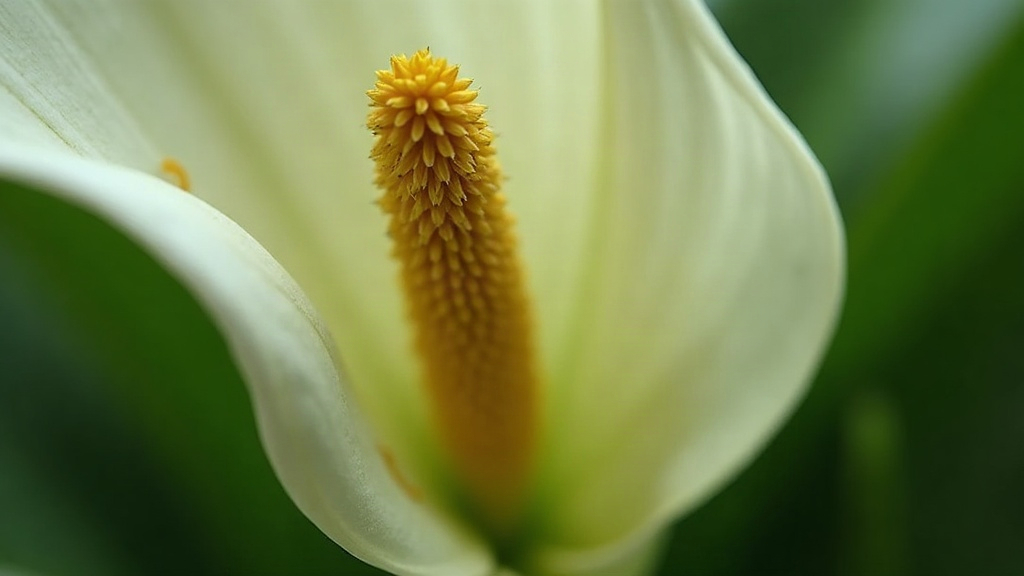
Spider mites are one of the sneakiest threats to peace lilies, mostly because the damage looks like plain old “dry air” or watering stress until, suddenly, the infestation is out of control. Catch these pests early, before any webbing shows up, and you can spare your plant from leaf damage that’s sometimes impossible to reverse.
Why Peace Lilies Are a Target
Peace lilies (Spathiphyllum) want humidity. Problem is, a lot of homes, especially once the heater kicks on for winter, turn into the dry, warm setup spider mites love. These pests breed fastest when humidity drops and temps climb above 70°F (21°C), which describes exactly what a lot of indoor peace lilies deal with for months at a time.
Early Warning Signs Before Webbing Appears
Once you can actually see webbing, the colony’s already settled in. Here’s what to watch for before it gets that far.
1. Tiny Speckled or Stippled Leaves
Usually the first thing you’ll notice is fine, pale yellow or white speckling across the top of the leaf. Mites pierce individual plant cells and drain out the chlorophyll, which leaves behind tiny dots that, at a glance, could pass for dust or mineral buildup.
2. A Dull, Dusty Leaf Appearance
These leaves are supposed to be glossy. So when they start looking matte, dusty, or a bit bronzed, and wiping them doesn’t fix it, pay attention. A lot of people chalk this up to dirty leaves or hard water spots and move on, which is exactly how an infestation gets a head start.
3. Faint Discoloration on the Underside
Get in the habit of flipping leaves over. Mites feed mostly on the underside, so that’s where you’ll catch yellowish or bronze patches first, often well before the top surface shows anything.
4. Leaf Curling or Drooping Without Dry Soil
Leaves curling or drooping while the soil’s still damp? Don’t just assume it needs water. Mite feeding wrecks the leaf tissue and messes with how water moves through it, so you get wilting that no amount of watering will cure.
5. Tiny Moving Dots
Spider mites are about 0.5mm, basically at the edge of what the naked eye can pick up. Grab a magnifying glass, or just tap a leaf over a sheet of white paper. If you see little specks scurrying around, that’s your answer.
The Simple White Paper Test
This is the quickest way to know for sure:
- Hold a sheet of white paper under a leaf you’re suspicious of.
- Tap or shake the leaf gently.
- Watch the paper. Dots that start crawling around are the mites themselves.
- Smear one of those dots. A reddish-brown streak means spider mites, not just dust.
Why Early Detection Matters
Spider mites breed at an almost alarming rate. One female can lay hundreds of eggs in her short life, and in warm, dry conditions a population can explode within a week. By the time fine webbing shows up between leaves and stems, you’re already looking at an advanced infestation, one that usually needs several rounds of treatment to knock back.
What to Do the Moment You Spot Early Signs
- Isolate the plant right away so the mites don’t hop over to your other houseplants.
- Rinse the leaves under lukewarm water, top and bottom, to physically knock off mites and eggs.
- Bump up the humidity with a pebble tray or humidifier. Mites hate moisture, so this alone slows them down.
- Use insecticidal soap or neem oil, coating both sides of the leaves, and repeat every 5-7 days for two or three cycles so you catch the eggs that hatch later.
- Don’t overdo the pesticides. Mites can build resistance fast, and heavy chemical use just stresses the plant more.
Prevention Tips for the Future
- Mist the plant or run a humidifier nearby, especially through the dry winter stretch.
- Check leaves weekly, undersides included, and fold it into your normal care routine.
- Keep peace lilies away from heating vents or any spot that runs hot and dry.
- Quarantine new plants for a week or two before letting them mingle with the rest of your collection.
Conclusion
Spider mites slip under the radar until real damage is already done. But the subtle clues, fine stippling, dull leaves, wilting that watering doesn’t fix, give you a chance to step in before things spiral. Weekly leaf checks (don’t skip the undersides), paired with a quick humidity boost and treatment the moment something looks off, are really your best shot at keeping a peace lily mite-free.