Moving Houseplants Through Dry Heating Season Without Leaf Drop
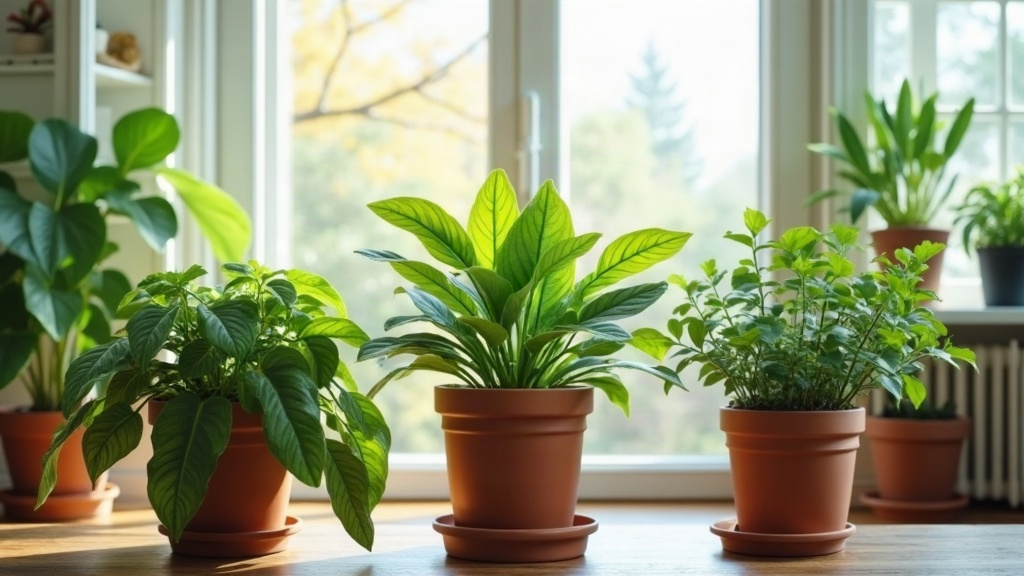
When the heat kicks on for the season, indoor humidity can nosedive from a comfortable 50% down to a desert-like 10-20% in a matter of days. Your houseplants notice before you do. Leaves curl inward, edges go brown and brittle, and plants that looked perfectly fine last week suddenly start dropping foliage like it’s an emergency. The good news? With a few targeted changes to where you place your plants, how you water them, and how you manage humidity, you can get through the dry heating season without sacrificing a single leaf.
Why Heating Season Causes Leaf Drop
Forced-air heating doesn’t just warm the room, it sucks the moisture right out of the air. Add shorter days and plants already downshifting their growth for winter, and you’ve got a recipe for stress. The usual culprits:
- Sudden drafts from heating vents, radiators, or a door swinging open to the cold outside
- Low humidity, which dries out leaf edges faster than the roots can send up replacement water
- Temperature swings, like a toasty afternoon followed by a chilly windowsill at night
- Overwatering as a panic response (a lot of plant owners pour on more water the moment leaves droop, which only suffocates roots that are already struggling)
Leaf drop is often just the plant protecting itself, shedding foliage to cut water loss when it can’t keep pace with evaporation.
Step 1: Relocate Away from Heat Sources
Before you do anything else, walk through your home and check where each plant sits relative to vents, radiators, and fireplaces.
- Keep plants at least 3 feet (about 1 meter) from any direct heat source.
- Avoid windowsills sitting right above a radiator, the heat rises straight into the pot.
- Don’t forget cold drafts either. A plant wedged between a hot vent and a leaky window gets hit from both sides.
- Give pots a slight turn now and then so they’re not baking on one side only, which leads to lopsided leaf burn.
Step 2: Raise Humidity Around the Plant, Not the Room
You don’t need to humidify the entire house. You just need a small, favorable pocket of air right around your plants.
- Group plants together. A cluster of pots creates its own little humid zone through combined transpiration, it’s basically a tiny greenhouse effect.
- Use pebble trays. Sit pots on a tray lined with pebbles and water (keep the pot bottom above the waterline) so evaporation feeds moisture upward.
- Run a small humidifier near humidity-hungry species like ferns, calatheas, and peace lilies. Aim for somewhere in the 40-50% relative humidity range.
- Don’t rely on misting alone. It bumps humidity for maybe ten or fifteen minutes, then it’s gone, and overdoing it can invite fungal problems.
Step 3: Adjust Your Watering Schedule
Dry air pulls moisture out of leaves faster, sure, but cooler temps and slower winter growth mean roots actually need less water overall, not more.
- Stick a finger 2 inches into the soil before you water. Skip the fixed schedule, go by what the soil tells you.
- Water deeply when you do water, then wait. Soggy winter soil causes root rot a lot faster than mild drought ever kills a plant.
- Use room-temperature water so you’re not shocking the roots with a cold blast.
Step 4: Watch Light Levels
Shorter days mean less sunlight reaching your plants, which naturally slows growth and water demand. But don’t mistake “slower growth” for “no light needed.” Plants still need bright, indirect light to stay sturdy through winter.
- Wipe dust off the leaves once a month. It sounds minor, but dusty leaves can’t photosynthesize efficiently.
- If light levels have clearly dropped, shift plants closer to a south- or west-facing window.
- For dim corners, a basic grow light during the darkest months can make a real difference.
Step 5: Hold Off on Fertilizing and Repotting
Winter is downtime for most houseplants, a kind of seasonal rest. Fertilizing heavily or repotting right now just piles stress onto a plant that has the least capacity to bounce back. Save both for early spring, once you start seeing fresh new growth.
Signs You’re Getting It Right
- New leaves come in pale green but firm, not shriveled or limp
- Older leaves yellow and drop one at a time (totally normal turnover), not in clumps
- Leaf tips stay green rather than crisping up brown and papery
Conclusion
Leaf drop during heating season isn’t some unavoidable fate, it’s a signal, and one you can actually do something about. Move plants away from vents and drafts, boost humidity locally with grouping or pebble trays, water by checking the soil instead of the calendar, and let your plants coast through the darker months without forcing growth. Make these small adjustments consistently, and your houseplants can get through even the harshest, driest winter looking full and green, ready to take off again the moment spring light returns.