DIY Well-Draining Potting Mix Recipe for Houseplants
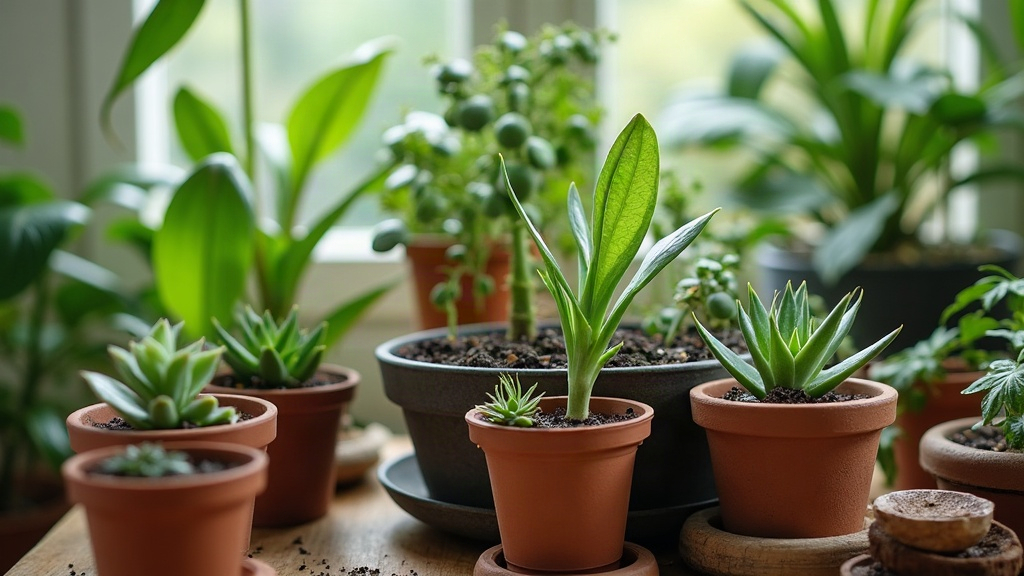
If your houseplants keep sitting in soggy soil, dropping yellow leaves, or rotting from the roots up, don’t blame your watering can just yet. Nine times out of ten, the real culprit is what’s actually in the pot. A well-draining potting mix you make yourself gives roots room to breathe while still holding onto enough moisture to keep things hydrated. Here’s a formula that won’t break the bank, plus how to tweak it depending on what you’re growing.
Why Store-Bought Potting Soil Often Fails
Most bagged soil on garden center shelves was formulated for raised beds and outdoor containers, not the cramped quarters of a 6-inch nursery pot sitting on your windowsill. It’s heavy, it compacts fast, and it holds water right where you don’t want it, around the roots. That combination is basically an invitation for root rot, fungus gnats, and plants that just stall out and stop growing.
A well-draining mix fixes this by pairing organic material (which handles nutrients and some moisture retention) with inorganic amendments (which handle aeration and drainage). What you’re after is a structure loose enough that excess water runs straight through, while pockets of air stay put around the root zone.
The Base DIY Recipe (Great for Most Houseplants)
This all-purpose blend works well for pothos, philodendrons, monstera, ZZ plants, and most of the common tropical houseplants people keep indoors:
- 40% high-quality potting soil (peat-free or coco coir-based is the better, more sustainable choice)
- 20% perlite (boosts drainage, keeps the mix from compacting)
- 20% orchid bark (creates air pockets, closer to what aroids get in the wild)
- 10% horticultural charcoal (soaks up excess moisture, keeps odor and bacteria in check)
- 10% worm castings or compost (slow-release nutrients)
Dump everything into a large bin or bucket and mix until it’s evenly blended, no clumps of straight soil sitting next to pure bark. Keep any leftovers in a sealed container so pests can’t get in.
Adjusting for Specific Plant Types
Succulents and cacti want drainage that’s even faster:
- 50% potting soil
- 30% coarse sand or pumice
- 20% perlite
Aroids (monstera, philodendron, anthurium) do best in something chunkier and airier:
- 30% potting soil
- 30% orchid bark
- 20% perlite
- 10% charcoal
- 10% worm castings
Ferns and other moisture-lovers appreciate a bit more organic bulk:
- 50% potting soil
- 20% perlite
- 20% coco coir
- 10% compost
How to Test If Your Mix Drains Well
Before you commit a plant to your new mix, run a quick test:
- Fill a pot with the mix and water it until it’s saturated.
- Time how long it takes for water to come out the drainage holes.
- A properly draining mix should finish in 10 to 20 seconds, with nothing pooling on top.
Water sitting on the surface, or draining like molasses? Add more perlite or bark. If it drains almost instantly and the pot dries out within a day, work in a little more coco coir or compost to slow things down.
Common Mistakes to Avoid
- Skipping drainage holes: doesn’t matter how good your mix is, a pot with no way out for water will still drown the roots.
- Using garden soil: it’s too dense for containers, and it can bring in pests or pathogens you really don’t want indoors.
- Overpacking the mix: pressing soil down hard around the roots squeezes out the air pockets you just worked to create. Pot loosely, don’t tamp it down like you’re planting a fence post.
- Ignoring pot size: a pot that’s too big for the root ball holds onto moisture far longer than the plant can actually use, which is a slow path to rot.
Where to Buy Ingredients
Perlite, orchid bark, horticultural charcoal, worm castings, you’ll find most of these at garden centers, hydroponic supply shops, or online marketplaces. If you’ve got more than a couple of houseplants, buying in bulk pays off quickly. In fact, a homemade batch often works out cheaper per plant than those pre-bagged “aroid soil” blends selling for $15 a quart.
Final Thoughts
Mixing your own well-draining potting soil is one of the simplest, most cost-effective ways to head off root rot before it starts. Balance organic material against amendments like perlite, bark, and charcoal, and you end up with something close to what these plants would grow in naturally: loose, airy, quick to let go of extra water. Start with the base recipe above, adjust it for whatever’s actually sitting on your shelf, and don’t be surprised when your plants respond with sturdier roots and noticeably better growth.