Fiddle Leaf Fig vs Rubber Plant: Best for Low-Light Apartments
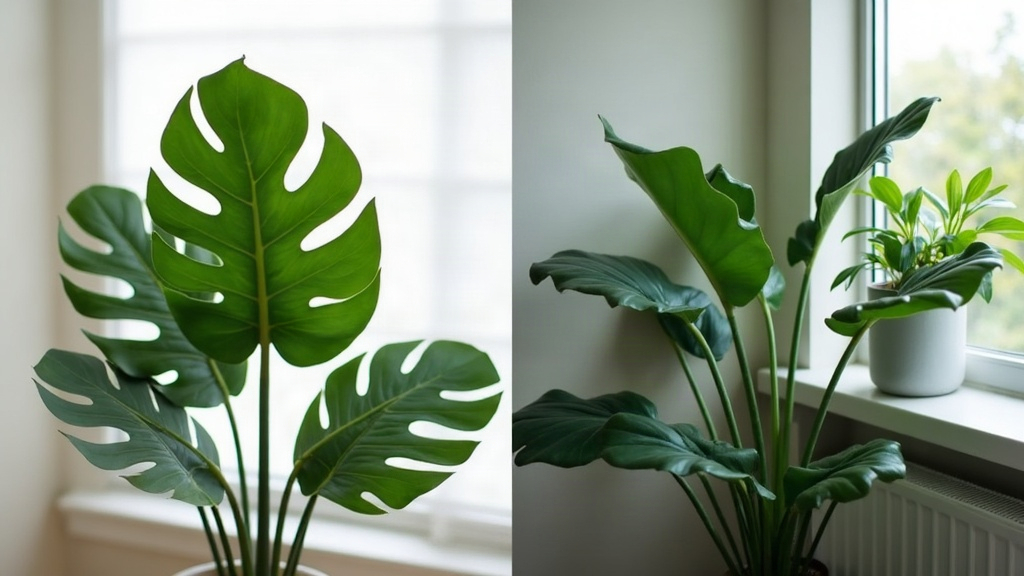
If you live in an apartment with limited natural light and you’re stuck choosing between a fiddle leaf fig and a rubber plant, here’s the short version: the rubber plant (Ficus elastica) wins for low-light survival. It forgives a lot. It shrugs off inconsistent watering, and it won’t throw a tantrum over a few missed hours of light. The fiddle leaf fig (Ficus lyrata) is gorgeous, sure, but it’s also famously high-maintenance. Give it inconsistent light and watch the leaves drop and brown spots creep in. Below, we get into the actual reasons why, plus what you can realistically expect from each one in a dim apartment.
Quick Comparison
| Factor | Fiddle Leaf Fig | Rubber Plant |
|---|---|---|
| Low-light tolerance | Poor to fair | Good |
| Watering flexibility | Low (sensitive to over/under) | High |
| Leaf drop risk | High | Low |
| Growth speed in low light | Very slow, often stalls | Slow but steady |
| Pest resistance | Moderate | Good |
| Beginner-friendly | No | Yes |
Why Rubber Plants Handle Low Light Better
Rubber plants started life as understory trees in tropical forests, so they’re built for filtered, indirect light, not blazing sun. That’s exactly what most apartments offer: north-facing windows, deep rooms with only one small opening to the sky, or light that gets swallowed up by the building next door. In that kind of setup, a rubber plant will:
- Keep producing new leaves, even if the pace slows down compared to bright light
- Do just fine sitting a few feet back from the window, not pressed right up against the glass
- Bounce back after you mess up a watering (and you will, at some point)
Their leaves are thick and waxy for a reason: they store moisture efficiently. That’s also why the plant tolerates a bit of neglect. If you travel a lot for work, or you’re the type who remembers to water on day 12 instead of day 7, this is your plant.
Why Fiddle Leaf Figs Struggle Indoors
Fiddle leaf figs have become the darling of every design blog and Pinterest board for their big, violin-shaped leaves. But that dramatic look comes with equally dramatic demands:
- They need bright, indirect light for at least 6 hours a day. A dim corner, no matter how stylish, just won’t do.
- Inconsistent light triggers leaf drop, easily the number one complaint from owners on plant forums.
- They hate being moved, they hate drafts, and they hate temperature swings, which is basically a description of most apartments with radiators or window AC units.
- Overwater one in low light (a mistake people make constantly, since the plant processes water more slowly without enough light) and you’re looking at root rot within weeks.
If your apartment doesn’t have a genuinely large south- or west-facing window, a fiddle leaf fig is more likely to become a stressful project than the elegant centerpiece you pictured on Instagram.
What “Low Light” Really Means
Plant tags love to say “tolerates low light,” but that phrase hides a real distinction:
- Low light: ambient daylight only, no direct sun ever, positioned several feet from any window.
- Medium/bright indirect light: close to an unobstructed window, just out of the direct sun’s path.
Truth is, neither plant does well in genuinely low light, think windowless hallway or interior bathroom. But rubber plants handle the medium-to-low range with far more grace, while fiddle leaf figs really need medium-to-bright light to stay healthy over the long haul.
Practical Tips for Apartment Growers
- Rotate your plant every couple of weeks so it grows evenly instead of leaning hard toward the window.
- Use a grow light if natural light is scarce. A basic LED grow bulb can turn either plant into a viable option.
- Water rubber plants only once the top 2 inches of soil have dried out; they handle drought far better than fiddle leaf figs do.
- Leave your fiddle leaf fig alone once it’s settled into a spot. Even too-frequent rotating can stress it out.
- Watch for yellow leaves, a classic overwatering signal, especially in dim rooms where soil takes forever to dry.
Which Should You Choose?
- Go with a rubber plant if: your apartment gets moderate, indirect light, you want something tree-like without the fuss, or you’ve never kept a houseplant alive past month two.
- Go with a fiddle leaf fig if: you’ve got a bright room with several hours of indirect sun, and you’re genuinely willing to check on it, adjust, and stay consistent.
Conclusion
For most low-light apartments, the rubber plant is the obvious pick. It’s hardier, it adapts, and it tolerates the messy, inconsistent watering schedules that come with city living. The fiddle leaf fig can absolutely be a stunning statement piece, but only in a space with real, steady, bright light. Not sure how your apartment measures up? Start with the rubber plant. It’s the safer bet, and honestly, the one more likely to still be alive a year from now.